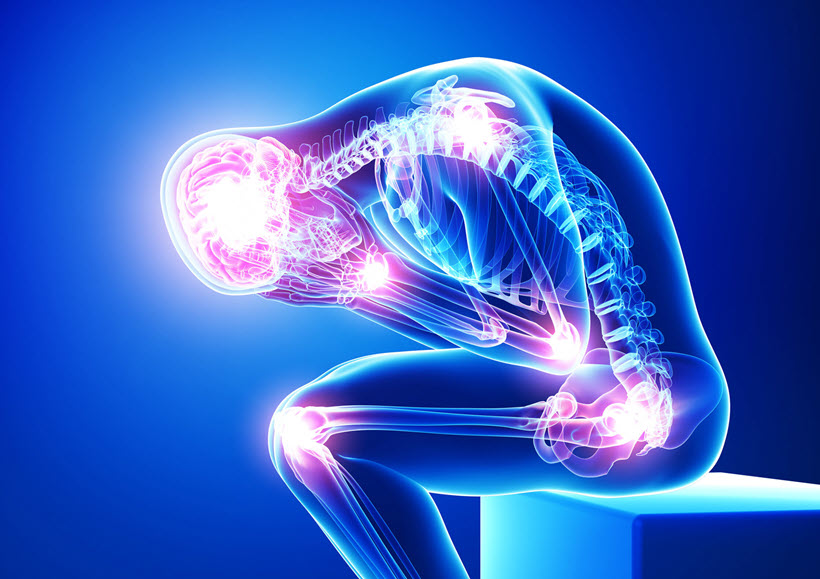
How does the AO Scan Technology you’re using help you deal with the trauma that your body is holding onto?
You might be asking, “What does that mean?” The AO Scan Technology program is an educational tool that helps you understand how your body performs. However, trauma influences the body’s performance. Recall that the AO Scan Technology interacts with the body to identify areas that may be imbalanced due to trauma. Trauma is an emotional response to a distressing event that can have lasting negative effects on a person’s life.
For example, an AO InnerVoice Scan Report may indicate that one high note was excessively out of balance or overrepresented (i.e., traumatized), as shown below.
UNACKNOWLEDGED vs. VALIDATED
Supportive Note: F#
Supportive Color: Green
Green Supports: Inner Balance, Harmony, Social Interaction, and SeIf-acceptance
Negative Emotions
- Feelng unacknowledged
- Personal sense of self worth may be based on the opinions of others
- May feel under valued and judged by others
- Feelings may stem from childhood experiences of criticism, teasing, punishment, abuse or bullying
You may reason that the above negative emotions, like many people recognize, that trauma affects the brain; however, trauma can impact more than just your mental state. In many cases, the body stores trauma. Specifically, your body stores unprocessed trauma.[1] Trauma is stored in the body in various ways:
- Nervous system: Unprocessed trauma keeps your system on “high alert,” ready to face the next threat.
- Somatic memory: The body retains sensory and emotional responses from traumatic events.
- Muscles, fascia, and organs: Energy from trauma is stored in these tissues.
- Detachment or disconnection: Trauma can lead to a feeling of detachment from the body.
When your body experiences a sudden shock, it can overwhelm the brain. In response, the brain enters “defense mode.” A specific body part cannot process trauma independently. If you are storing this trauma in your tissues, it won’t help you work through the events that caused it.
When trauma is stored in your body tissues instead of being processed by the brain, it can lead to ongoing defense mechanisms. In such cases, the brain “disconnects” from the affected area, preventing the trauma from being processed. If your body is holding onto tension and stress, it can trap the trauma, making it essential to find a way to release it.
To address this issue effectively, your goal should be to reconnect the brain with the area of the body where the trauma is stored. This reconnection will help your body process the trauma more effectively.
The AO Scan Technology helps the body process the events that have caused an imbalance, particularly trauma-related ones. It identifies areas of the body that may be holding onto this stored trauma and facilitates a release. This process promotes healing from the inside out, addressing the root causes of issues. Many describe it as similar to peeling an onion, gradually uncovering layers to achieve a deeper healing.
Let’s look at a summary of the Elevate Mental Health article “Unlocking the Mysteries: Where Trauma Is Stored In The Body” to better understand where trauma is stored in the body.
The Brain: The Seat of Emotional Regulation
The amygdala plays a central role in processing emotions and memories, often becoming hyperactive in individuals with a history of trauma. This hyperactivity can contribute to the intense emotional reactions and flashbacks commonly experienced by trauma survivors.
The Nervous System: The Body’s Alarm System
Another key component of where trauma is stored in the body lies within the autonomic nervous system (ANS). The ANS controls involuntary bodily functions, including heart rate, breathing, and digestion, and is divided into two branches: the sympathetic nervous system[2] (SNS) and the parasympathetic nervous system[3] (PNS).
Trauma can dysregulate[4] the ANS, leading to a state of chronic hyperarousal[5] or hypoarousal[6]. Individuals may find themselves in a constant state of high alert, characterized by symptoms such as panic attacks, insomnia, and an exaggerated startle response. Conversely, some individuals may experience dissociation and numbness as a means of coping with overwhelming trauma, reflecting a state of hyperarousal.
Trauma can become embedded in the body’s nervous system, perpetuating a cycle of dysregulation and distress. By addressing these somatic[7] manifestations of trauma, therapists can help clients restore balance to their nervous systems and alleviate symptoms of hyperarousal or hypoarousal.
The Muscles and Connective Tissues: Holding the Trauma
Beyond the brain and nervous system, trauma can also be stored in the muscles and connective tissues of the body. Chronic stress and tension resulting from trauma can cause muscles to tighten and contract, leading to a range of physical symptoms such as headaches, back pain, and gastrointestinal issues.
Trauma can be encoded within the muscles and tissues, resulting in somatic symptoms that serve as reminders of past traumatic experiences. These body memories can be triggered by various stimuli, from specific sounds or smells to interpersonal interactions, reigniting feelings of fear and distress.
The Visceral Organs: The Silent Sufferers
Trauma can also impact the body’s visceral organs, such as the heart, lungs, and digestive system. Research has shown that individuals with a history of trauma are at an increased risk of developing various health conditions, including cardiovascular disease, respiratory disorders, and gastrointestinal disorders.
There is an intricate connection between psychological trauma and physical health, highlighting how unresolved trauma can contribute to the development of chronic illnesses. By addressing the somatic components of trauma, therapists can help clients mitigate the physical toll of their traumatic experiences and promote overall well-being.
The Skin: Bearing the Scars of Trauma
Trauma can leave its mark on the skin, the body’s largest organ. Individuals with a history of trauma may experience skin conditions such as eczema, psoriasis, or hives, which can flare up during times of stress or emotional distress.
Emotional trauma can manifest physically through skin disorders and be stored in the body. By acknowledging and addressing these somatic symptoms, therapists can help clients heal from the inside out, fostering a sense of wholeness and integration.
Look at this body chart visual to see where trauma is stored in the body.
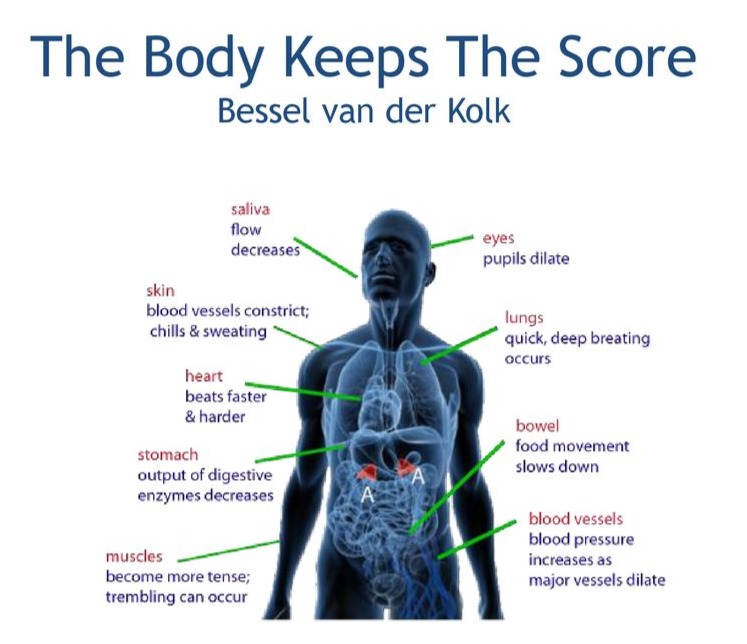
We hope this graphic helps. Trauma is not solely confined to the realm of the mind but is deeply rooted in the body as well. Understanding where trauma is stored in the body is essential for providing comprehensive and effective trauma therapy. By addressing the somatic manifestations of trauma, therapists can help clients reclaim their sense of safety, autonomy, and well-being, paving the way for healing and recovery.
Elevate Mental Health. 2024. “Unlocking the Mysteries: Where Trauma Is Stored In The Body [Body Chart + Amelia’s Story].” ElevateMentalHealth. ElevateMentalHealth. March 27. https://www.elevatementalhealth.com/post/where-trauma-is-stored-in-the-body-chart.
The Healing Process “Peeling the Onion”
The healing process is often described as peeling an onion. Layer after layer of imbalances and weakness are corrected giving the impression of peeling an onion. Typically this process continues until there are no layers of weakness left to find. This is what constitutes complete whole body healing. Indeed as each layer is peeled away it may be surprising to discover the development of symptoms that had not formerly been evident. This is very normal and explainable and a good sign that progress is being made.
Ultimately, the human body is constantly in an effort to heal and repair itself, saving energy and reserves in an effort to heal the chronic injuries and imbalances. If given a chance the body will completely repair and renew itself to as perfect a state as possible. The way to support this process is by reducing toxic and immune burdens to the body, by providing vital and energized nutrition and by practicing a lifestyle that respects the subtle needs and rhythms of the body. This is why we approach your health in a holistic way with the concept of evolution towards entire whole body healing processes, strengthening system after system, tissue after tissue.
One of the most confusing things about the healing process is what has been called the “retracing phenomenon.” It’s been said that any step of degeneration or decline that the body went through in the process of becoming ill — it has to return through in the process of becoming well – step by step. Sometimes this means that symptoms will get worse before they get better, and this often conflicts with our desires to simply feel better.
Typically, with the retracing phenomenon … the going back through a repair and recuperative process is relatively short lived. Retracing symptoms lasts anywhere between hour-long individual episodes to, at the most, usually only a few days. One way that we attempt to distinguish between disease symptoms and healing symptoms is how quickly the healing symptoms change and develop into something new. As well, often while these healing symptoms are occurring there is simultaneously a general sense of well-being and improved energy.
Healing symptoms can involve a variety of cleansing type activities such as; phlegm production, diarrhea, and excessive urination, aching in muscles and joints, headaches, or any symptoms that might have been experienced in the process of becoming ill. This is especially true in chronic illnesses or imbalances that have existed for a prolonged period of time; such as, for example, symptoms associated with neurological sensations like numbness and tingling or a GI problem such as a long duration of constipation. The process of healing follows an orderly sequence of change.
There is no greater encounter with the vital force that made the body than the healing process. In general, we do not yet fully comprehend what the healing power of the body can ultimately achieve. Yet, given just a little help – it is amazing what it can accomplish!
‘The Healing Process “Peeling the Onion.”‘ 2024. Accessed November 30. https://doc.vortala.com/childsites/uploads/88/files/The-Healing-Process_Peeling-the-Onion.pdf.
Healing From the Inside Out
“Healing from the inside out” means addressing the root causes of a problem, whether physical or emotional, by focusing on inner transformation and self-improvement first. This leads to positive changes in outward behavior and overall well-being; essentially, healing starts at a deeper level within oneself and manifests outwardly over time.
Mind-body Connection
It emphasizes the interconnectedness of our mental and physical states, suggesting that addressing emotional wounds can positively impact our physical health.
Addressing Root Causes
Rather than treating symptoms, “healing from the inside out” aims to identify and resolve the underlying issues causing pain or discomfort.
Personal Growth
This concept often involves self-reflection, self-awareness, and conscious efforts to change negative thought patterns and behaviors.
References
Integrative Psychotherapy Group. 2021. “Here’s How Your Body Stores Trauma – Insights – Integrative Psychotherapy Group.” Insights. August 9. https://insights.integrativetherapygroup.com/heres-how-your-body-stores-trauma/.
Additional Reading
Grover, Sean. “Where Do You Store Stress in Your Body? Top 10 Secret Areas.” 2024. Psychology Today. Sussex Publishers. Accessed November 30. https://www.psychologytoday.com/us/blog/when-kids-call-the-shots/201807/where-do-you-store-stress-in-your-body-top-10-secret-areas.
Fear is the driving force behind repression and is frequently rooted in your past. Repression is often necessary, particularly when you feel overwhelmed or experience trauma. However, over-dependence on repression fuels psychosomatic symptoms and self-destructive patterns. As a therapist, I challenge my clients to come up with new responses to fear instead of repeating old behaviors.
I’ve made a list of these patterns below. You may recognize some of them, and I can identify with all of them. Remember, psychosomatic reactions are not neatly organized; some overlap and some converge. It all depends on your character and interpersonal style. The list below is best used as a general introduction to psychosomatic symptoms, a jumping-off point for personal exploration.
As you review the list, ask yourself: Do any of these symptoms sound familiar?
Top 10 Tension Areas for Unwanted Feelings
1. Lower Back: Anger
2. Stomach & Intestines: Fear
3. Heart & Chest: Hurt
4. Headache: Loss of Control
5. Neck /Shoulder Tension: Burdens and Responsibilities
6. Fatigue: Resentments
7. Numbness: Trauma
8. Breathing Difficulties: Anxiety
9. Voice & Throat Problems: Oppression
10. Insomnia: Loss of Self
Footnotes
[1] The shock from trauma causes your nervous system to go haywire. Because the brain can’t always handle that kind of overwhelming shock, the trauma you’re going through can’t be processed.
[2] The sympathetic nervous system (SNS) is a network of nerves that activates the body’s “fight-or-flight” response when it’s stressed, in danger, or physically active.
[3] The parasympathetic nervous system (PSNS) is a network of nerves that helps the body relax and perform life-sustaining functions. It’s often referred to as the “rest and digest” system.
[4] Dysregulate means to impair the regulation of a bodily process or to be unable to control one’s emotions.
[5] Hyperarousal is a state of heightened sensitivity and increased responsiveness to stimuli. It’s a common symptom of post-traumatic stress disorder (PTSD) and can make it difficult to function in daily life.
[6] Hypoarousal is a state of emotional dysregulation that occurs when the body senses danger and shuts down as a defense mechanism. It’s characterized by low arousal levels and can impact mood, energy, sleep, and eating habits.
[7] The term “somatic” refers to anything related to the body. It originates from a Greek word meaning “body,” so when we say something is somatic, we are discussing aspects of physical health. You might be more familiar with the term “psychosomatic,” which describes physical conditions or illnesses that are influenced by the mind rather than caused by a virus or injury. For instance, if you feel sick because you are anxious about going to school, that would be psychosomatic. However, it’s also possible that your physical symptoms could indicate that you actually have a cold!
The featured image on this page is from the Integrative Psychotherapy Group website.
 Salubrious Sounds