
Contents
- Fenbendazole as a Cancer Therapy in Humans
- Mebendazole or Fenbendazole
- How Does It Halt Cancer Growth?
- Challenges and Skepticism
- References
- Additional Reading
- Shop Fenbendazole
- Videos
- Notes
- Disclaimers
Fenbendazole is a broad-spectrum anthelmintic drug used primarily in veterinary medicine to treat parasitic infections in animals, such as dogs, cats, horses, and livestock. It belongs to the benzimidazole class of drugs and works by disrupting the metabolism of parasites, effectively killing them or inhibiting their reproduction. It’s commonly used to treat infections caused by roundworms, hookworms, whipworms, tapeworms, and certain other parasites.
Fenbendazole is a low-risk, low-cost, and well-understood compound. Scientific literature, though limited, has documented several mechanisms by which Fenbendazole may exert anticancer effects. Unlike traditional chemotherapy, which attacks both healthy and cancerous cells indiscriminately, Fenbendazole seems to target cancer with a kind of biological precision that should, under normal scientific circumstances, warrant immediate and thorough investigation.
The drug is known to disrupt microtubule dynamics — essential structures in cancer cells that enable uncontrolled division and metastasis. Additionally, Fenbendazole interferes with glucose metabolism, effectively starving tumors by limiting their energy supply. Perhaps most critically, it induces cell cycle arrest in various cancer cell lines, reducing their ability to multiply. These mechanisms are not conjecture. They are evident in multiple in-vitro and in-vivo studies, many of which have demonstrated tumor shrinkage and suppressed growth in animal models. Yet, these findings remain largely unexplored in human trials — not because the science isn’t compelling, but because no one stands to profit from the cure. [1]
Despite the enthusiasm surrounding Fenbendazole, it’s important to review the evidence and work with practitioners who can monitor you before using repurposed drugs without enough proof. Studies on fenbendazole in animals show almost no benefit when used alone, reinforcing the idea that single-treatment approaches are not enough. Mebendazole, with a stronger evidence base, could be a better option for some cancers, although more research is needed and it should be part of a comprehensive plan. [4]
Fenbendazole as a Cancer Therapy in Humans
Although Fenbendazole lacks regulatory approval and extensive clinical trials as a cancer treatment in humans, some patients have self-administered the drug, as documented in case studies. Table IV discusses four case reports where fenbendazole led to reduced tumor size (54, 55), and two cases (56, 57) where patients experienced drug-related hepatic dysfunction (Table IV). In both instances, despite the hepatotoxicity, the patients’ liver function recovered quickly after stopping fenbendazole.
Summarized patient case reports on the self-administration of Fenbendazole for cancer. Because of its accessibility over the counter at a relatively low cost, patients have turned to Fenbendazole as an at-home treatment for cancer. As observed in published case reports, the most common self-administered regimen involves taking 1 gram of fenbendazole orally once daily for three consecutive days, followed by four days off treatment (54–57). However, using Fenbendazole for cancer therapy in humans requires further pilot and extensive clinical trials to determine effective doses and regimens. Patients with impaired liver function, liver cirrhosis, or liver cancer should use Fenbendazole cautiously. Additionally, combining Fenbendazole with glycolysis inhibitors and hepatoprotective pharmaceutical or nutraceutical agents can produce synergistic therapeutic effects while reducing potential liver toxicity. [2]
Mebendazole or Fenbendazole
Mebendazole and fenbendazole are two well-known drugs used to treat parasites. While several similar drugs have been examined in preclinical trials, such as cell and animal studies, only mebendazole has been researched for its anticancer effects in humans. In this review, we mainly focus on mebendazole, a prescription medication for humans, and fenbendazole, which is used to treat animals.
Mebendazole demonstrates anticancer effects in preclinical (cell and animal) studies and some initial human trials. Fenbendazole also shows preclinical evidence of anticancer activity. However, some data indicate accelerated disease progression in individuals with advanced gastrointestinal cancer.
Read our blog articles about fenbenazole taking a closer look at its use and risks, as well as an in-depth exploration of repurposed drugs in cancer care. [5]
CancerChoices Ratings for Mebendazole or Fenbendazole
CancerChoices rate mebendazole or fenbendazole on seven attributes, with 0 as the lowest score and 5 as the highest. We assess the strength of the evidence supporting the use of mebendazole or fenbendazole for a medical benefit, such as improving treatment outcomes or managing side effects. See how CancerChoices evaluate and rate complementary therapies ›[5]
How Does It Halt Cancer Growth?
The Science Behind Fenbendazole
Cancer cells are known for their resilience and ability to evade the body’s defenses. Fenbendazole targets cancer in a multi-pronged way: [6]
- Microtubule Disruption: Fenbendazole interferes with the formation of microtubules in cancer cells. These structures are essential for cell division, so their destabilization prevents the cancer cells from proliferating.
- Induction of Apoptosis: Preliminary research indicates that fenbendazole may induce programmed cell death (apoptosis) in cancer cells. This occurs without significantly harming normal cells, suggesting a degree of selectivity that conventional chemotherapy often lacks.
- Inhibition of Glucose Uptake: Cancer cells rely on high levels of glucose to sustain their rapid growth. Fenbendazole appears to reduce glucose uptake in cancer cells, effectively “starving” them.
- Synergy with Other Therapies: Anecdotal cases have suggested that fenbendazole may work synergistically with supplements like curcumin, vitamin E, and CBD oil, potentially enhancing its anticancer effects.
Understanding Fenbendazole’s Role in Cancer Treatment
Fenbendazole, originally developed as a veterinary antiparasitic medication, has recently attracted attention for its possible anti-cancer effects. Although fenbendazole is not yet approved for cancer treatment in humans, new research and patient reports have increased interest in its potential to fight tumors.
While scientific research continues, inspiring Fenbendazole cancer success stories from patients who have tried this approach offer a glimpse of its potential, though it’s important to remember that treatment results can vary greatly from person to person. Fenbendazole seems to work by disrupting the microtubule formation in cancer cells, which may inhibit their growth and division.
For those interested in exploring this approach, the Fenbendazole Cancer Protocol provides a detailed, step-by-step guide on how some patients have integrated this treatment into their cancer care routine, but it’s essential to consult with a healthcare professional before beginning any new treatment. [7]
Scientific Data on Fenbendazole for Cancer Treatment
As surprising as it sounds, there is documented research about deworming medications and their effect on cancer. This dry and tasteless Fenbendazole powder has been shown to exhibit “significant inhibition of tumor growth” when supplemented with vitamins A, D, E, K, and B. [8]
In recent years, scientists have ramped up their efforts to study Fenbendazole, also called FenBen/FBZ, in clinical trials. The most recent studies have also shown that Fenbendazole can potentially be used to treat pancreatic, ovarian, and colorectal cancer.
Fenbendazole is a triple-threat to cancer: it kills cancer cells in three significant ways:
- It destroys microtubules that sustain the structure of the cancer cell and its ability to divide and multiply rapidly.
- It interrupts the cancer cells’ ability to process sugar, and cancer cells must metabolize sugar to survive.
- It boosts the production of a cancer-killing gene called p53; a gene cancer patients may lack. When p53 becomes mutated or can’t keep cancer cells in check, cancer cells can proliferate.
The dewormer also works against parasites, which might be the origin of some cancers.
Challenges and Skepticism
Why the Medical Community Is Hesitant
Despite the growing body of anecdotal evidence, fenbendazole faces significant hurdles in gaining acceptance as a legitimate cancer treatment: [6]
- Lack of Large-Scale Clinical Trials: The case reports, while compelling, are not a substitute for rigorous clinical trials. Without randomized, controlled studies, it’s difficult to draw definitive conclusions about the drug’s efficacy and safety in cancer patients.
- Regulatory Barriers: Drug repurposing often requires navigating a complex regulatory landscape. Even though fenbendazole is inexpensive and already widely used in animals, obtaining approval for human use in oncology could take years.
- Skepticism from Oncologists: Many oncologists remain cautious about endorsing fenbendazole, citing the need for more robust evidence. While the drug appears safe, its efficacy across different types of cancer has not been conclusively demonstrated.
The Reason Behind the Silence: No Profit, No Interest (Opinion)
The pharmaceutical industry, despite its public image as a guardian of health, operates under a brutally simple principle: if a product cannot be patented and sold at high profit margins, it does not deserve their attention. Fenbendazole, being off-patent and widely available, presents a worst-case scenario for these corporations — it is potentially effective, low-cost, and accessible to the public without corporate mediation.
Human clinical trials are expensive, often costing tens of millions of dollars. Companies undertake such investments not out of curiosity or altruism, but because they foresee a massive financial return through exclusive patents, price controls, and insurance-backed billing systems. Fenbendazole offers none of these incentives.
So even if it holds life-saving potential, it poses an existential threat to an industry that relies on chronic treatment, repeat prescriptions, and controlled access to knowledge. In that light, the decision to suppress research into Fenbendazole is not irrational — it is calculated, strategic, and entirely in line with a system that monetizes disease instead of curing it. [1]
References
[1] Medeea Greere. 2025. “THE FENBENDAZOLE FILES — HOW an OFF-PATENT DRUG EXPOSED the DARKEST CORNERS of BIG PHARMA and the MEDICAL DEEP STATE.” Amg-News.com – American Media Group. April 15, 2025. https://amg-news.com/the-fenbendazole-files-how-an-off-patent-drug-exposed-the-darkest-corners-of-big-pharma-and-the-medical-deep-state/.
Fenbendazole, a cheap off-patent drug, threatens to expose the Medical Deep State. It’s safe, effective, and can’t be patented — that’s why Big Pharma wants it buried. In a system built on sickness and silence, a real cure is their worst nightmare.
[2] NGUYEN, JOLIE, THAI Q NGUYEN, BO HAN, and BA X HOANG. 2024. “Oral Fenbendazole for Cancer Therapy in Humans and Animals.” Anticancer Research 44 (9): 3725–35. https://doi.org/10.21873/anticanres.17197. (PDF)
With its high safety profile, affordability, and minimal side effects, fenbendazole stands out as a potential option for cancer therapy. Moreover, fenbendazole is easy to acquire and can be administered orally, offering a less invasive treatment that can increase patient adherence. Furthermore, by inhibiting glycolysis in cancer cells and preventing lactate buildup, fenbendazole surpasses albendazole and mebendazole in treating drug-resistant cells, making it the benzimidazole of choice for cancer therapy.
[3] Team, Editorial. 2025. “Fenbendazole Dosage for Cancer in Humans: Benefits, Risks, and Guidelines (2025).” Aestheticsadvisor.com. Blogger. June 8, 2025. https://cancer.aestheticsadvisor.com/2025/01/fenbendazole-dosage-for-cancer-in.html.
[4] Eberle, Sam. 2025. “Fenbendazole and Cancer: A Closer Look at Its Use and Risks – CancerChoices.” CancerChoices. January 28, 2025. https://cancerchoices.org/fenbendazole-and-cancer-a-closer-look-at-its-use-and-risks/.
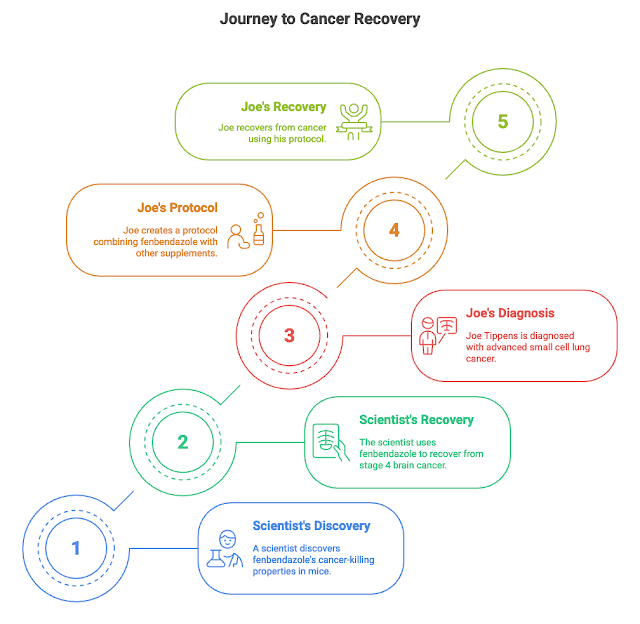
Fenbendazole’s rise in popularity can be attributed to two key factors: its mention in Jane McLelland’s book How to Starve Cancer, which highlighted the anticancer potential of related drug mebendazole, and the widely shared story of Joe Tippens. Tippens claimed fenbendazole helped him achieve remission from stage 4 small cell lung cancer when combined with curcumin and CBD-enriched cannabis oil.
However, Tippens’ narrative often omits a critical detail: he was also enrolled in a clinical trial for Keytruda, a PD-L1 checkpoint inhibitor immunotherapy known to produce complete responses in some patients. His outcome may have been driven by genetic factors such as microsatellite instability or a high mutational burden, which are strongly associated with favorable responses to immunotherapy. For instance, a study published in the New England Journal of Medicine reported a 100% complete response rate in similar cases treated with checkpoint inhibitors.
[5] “Mebendazole or Fenbendazole – CancerChoices.” 2025. CancerChoices. April 9, 2025. https://cancerchoices.org/therapy/mebendazole-or-fenbendazole/.
We review the scientific literature and rate the strength of evidence for supplements and therapies for cancer outcomes. Explore our database ›.
[6] Fenben Voices. 2024. “Fenbendazole: A Low-Cost Breakthrough in Cancer Treatment.” FenbendazoleHelp.org. December 16, 2024. https://fenbendazolehelp.org/fenbendazole-cancer-treatment/.
Fenbendazole, a drug initially developed as a low-cost antiparasitic treatment for animals, has recently taken the spotlight in the medical community and public discourse as a potential breakthrough in cancer therapy. Its affordability—reportedly costing as little as $11 per week—has added to its allure. Despite its origins as a pet medication, the drug is generating excitement for its purported ability to treat certain cancers. Most compelling are reports of complete remissions in patients with advanced-stage malignancies, a feat that modern oncology often struggles to achieve. But can this inexpensive, off-label treatment truly deliver on its promise?
A recent case series published in a respected oncology journal provides provocative evidence that it just might. The series describes three individuals with advanced cancer who experienced unexpected and remarkable recoveries after incorporating fenbendazole into their treatment regimens. In this article, we will delve deeply into what fenbendazole is, how it works, and whether these claims hold up under scientific scrutiny.
[7] “Fenbendazole and Chemotherapy: Safety, Benefits, and Risks.” 2025. Heal Navigator. Heal Navigator. March 14, 2025. https://healnavigator.com/blog/fenbendazole-and-chemotherapy/.
As cancer research advances, scientists and medical professionals are constantly seeking innovative ways to improve treatment outcomes. One intriguing area of study is the potential combination of fenbendazole, an antiparasitic drug primarily used in veterinary medicine, with traditional chemotherapy. This unexpected pairing has sparked interest in the oncology community, raising questions about its potential to enhance cancer treatment efficacy.
[8] “The Fenbendazole Cancer Protocol: A Step-By-Step Guide.” 2024. Heal Navigator. Healnavigator. January 23, 2024. https://healnavigator.com/treatments/fenbendazole-cancer-protocol/.
Fenbendazole, a common veterinary deworming medication, has recently gained significant attention in the field of cancer treatment in light of fenbendazole cancer success stories. In this comprehensive guide, we’ll explore the fenbendazole cancer protocol, examining how this drug might fight cancer, its potential benefits, and important considerations for those interested in this alternative treatment approach.
[9] Team, Editorial. 2025. “Fenbendazole Joe Tippens Protocol: A Step-By-Step Guide (2025).” Onedaymd.com. Blogger. August 14, 2025. https://www.onedaymd.com/2024/04/fenbendazole-joe-tippens-protocol.html.
If you have been diagnosed with cancer, or have a loved one that is suffering from cancer, chances are you have heard about the Joe Tippens Cancer Protocol. The Fenbendazole Cancer Protocol has been gaining rapid interest over the past years following some fenbendazole advanced cancer success stories.
[10] Golla, Upendarrao, Satyam Patel, Nyah Shah, Stella Talamo, Riya Bhalodia, David Claxton, Sinisa Dovat, and Arati Sharma. 2024. “From Deworming to Cancer Therapy: Benzimidazoles in Hematological Malignancies.” Cancers. U.S. National Library of Medicine. October 12. https://pmc.ncbi.nlm.nih.gov/articles/PMC11506385/.
In conclusion, this comprehensive exploration of anthelmintic benzimidazole derivatives, specifically mebendazole, fenbendazole, and albendazole, highlights their versatile and promising roles as potential therapeutic agents against hematological cancers, with a specific emphasis on leukemia.
[11] Duan, Qiwen, Yanfeng Liu, and Sara Rockwell. 2025. “Fenbendazole as a Potential Anticancer Drug.” Anticancer Research. U.S. National Library of Medicine. Accessed August 20. https://pmc.ncbi.nlm.nih.gov/articles/PMC3580766/.
In conclusion, despite the overlap of the mechanisms of action of fenbendazole with those of the hypoxia-selective nitroheterocyclic cytotoxins and radiosensitizers, the taxanes, and the vinca alkaloids, our studies provided no evidence that fenbendazole warrants further testing as a potential agent for use in cancer therapy. However, it is very possible that related compounds could be valuable anticancer drugs.
[12] “Rethinking Cancer: Fenbendazole, Mebendazole, and Ivermectin.” 2025. Fenbendazole Resource. January 24, 2025. https://www.fenbendazole.org/cancer-fenbendazole-mebendazole-ivermectin/.
The MSCC theory offers a compelling framework for rethinking cancer treatment by addressing the metabolic dysfunctions underlying malignancy. The proposed hybrid protocol, supported by extensive research and clinical insights, provides a comprehensive approach to enhancing OxPhos, targeting CSCs, and addressing metastasis. Dr. Makis and his team emphasize the need for further comparative studies to validate this approach’s effectiveness and safety against standard therapies. This innovative strategy holds promise for improving outcomes across all cancer types, paving the way for more effective and personalized treatments.
[13] Ruwa, Rashida. 2023. “Can Antiparasitic Drug Fenbendazole Treat Pancreatic Cancer?” Healthline. Healthline Media. November 9, 2023. https://www.healthline.com/health/pancreatic-cancer/fenbendazole-for-pancreatic-cancer.
According to early preclinical studies, fenbendazole, an antiparasitic drug, shows potential for treating pancreatic cancer. But more research and clinical trials are necessary before conclusions about its success can be made.
[14] Team, Editorial. 2025. “Exploring the Anticancer Potential of Fenbendazole: A Review of 170 Anecdotal Case Reports and Emerging Evidence (2025).” Onedaymd.com. Blogger. June 27, 2025. https://www.onedaymd.com/2025/01/anticancer-potential-fenbendazole.html.
The consistency of anecdotal outcomes, supported by plausible preclinical mechanisms, positions fenbendazole as a promising candidate for further investigation in oncology.
Given the potential benefits of FBZ with what seems to be a limited toxicity profile, further research is warranted to evaluate the clinical settings in which this medication may be beneficial and repurposed for patients with progressive malignancy and possibly other malignant settings as well.
However, until robust clinical evidence is available, healthcare providers must guide its use with caution, and patients should not substitute it for evidence-based treatments. Collaborative efforts between researchers, clinicians, and regulatory bodies are essential to unlock fenbendazole’s full therapeutic potential while safeguarding patient safety.
Additional Reading
“Fenbendazole Dosage Guide – Fenbendazole Resource.” 2019. Fenbendazole Resource. December 12, 2019. https://www.fenbendazole.org/fenbendazole-information/fenbendazole-dosage-guide/.
“Fenbendazole Papers and Clinical Trials – Fenbendazole Resource.” 2019. Fenbendazole Resource. December 12, 2019. https://www.fenbendazole.org/fenbendazole-information/fenbendazole-papers-and-clinical-trials/.
Park, Deokbae, Jung-Hee Lee, and Sang-Pil Yoon. 2022. “Anti-Cancer Effects of Fenbendazole on 5-Fluorouracil-Resistant Colorectal Cancer Cells.” The Korean Journal of Physiology & Pharmacology 26 (5): 377–87. https://doi.org/10.4196/kjpp.2022.26.5.377.
NGUYEN, JOLIE, THAI Q. NGUYEN, BO HAN, and BA X. HOANG. 2024. “Oral Fenbendazole for Cancer Therapy in Humans and Animals.” Anticancer Research 44 (9): 3725–35. https://doi.org/10.21873/anticanres.17197.
Fenbendazole is a benzimidazole anthelmintic agent commonly used to treat animal parasitic infections. In humans, other benzimidazoles, such as mebendazole and albendazole, are used as antiparasitic agents. Since fenbendazole is not currently approved by the FDA or EMA, its pharmacokinetics and safety in humans have yet to be well-documented in medical literature. Despite this, insights can be drawn from existing in vitro and in vivo animal studies on its pharmacokinetics. Given the low cost of fenbendazole, its high safety profile, accessibility, and unique anti-proliferative activities, fenbendazole would be the preferred benzimidazole compound to treat cancer. To ensure patient safety in the repurposing use of fenbendazole, it is crucial to perform clinical trials to assess its potential anticancer effects, optimal doses, therapeutic regimen, and tolerance profiles. This review focuses on the pharmacokinetics of orally administered fenbendazole and its promising anticancer biological activities, such as inhibiting glycolysis, down-regulating glucose uptake, inducing oxidative stress, and enhancing apoptosis in published experimental studies. Additionally, we evaluated the toxicity profile of fenbendazole and discussed possibilities for improving the bioavailability of the drug, enhancing its efficacy, and reducing potential toxicity.
“Fenbendazole for Cancer Patients | Exploring Complementary Options| Expert Insights on Integrative Medicine | 417 Integrative Medicine,” 417integrativemedicine.com. 2025. https://www.417integrativemedicine.com/articles/exploring-fenbendazole-as-a-complementary-option-for-cancer-patients.
Abongwa, Melanie, Richard J Martin, and Alan P Robertson. “A Brief Review on the Mode of Action of Antinematodal Drugs.” Acta Veterinaria 67, no. 2 (June 1, 2017): 137–52. https://doi.org/10.1515/acve-2017-0013.
“Anthelmintic Drugs,” 2024. https://www.fepblue.org/-/media/PDFs/Medical-Policies/2024/June/June-2024-Pharmacy-Policies/Remove–Replace/5_01_042-Anthelmintic-Drugs.pdf.
Arney, Kat. “Discovering the P53 Cancer Protein – Cancer Research UK – Cancer News.” Cancer Research UK – Cancer News, October 4, 2009. https://news.cancerresearchuk.org/2009/10/04/high-impact-science-p53/.
Conterno, Lucieni O, Marilia D Turchi, Ione Corrêa, and Ricardo Augusto. “Anthelmintic Drugs for Treating Ascariasis.” Cochrane Library 2020, no. 4 (April 14, 2020). https://doi.org/10.1002/14651858.cd010599.pub2.
Dolma, Lobsang, and Patricia A. J. Muller. “GOF Mutant P53 in Cancers: A Therapeutic Challenge.” Cancers 14, no. 20 (October 18, 2022): 5091. https://doi.org/10.3390/cancers14205091.
European Medicines Agency (EMA). “Ivermectin/Albendazole – Opinion on Medicine for Use Outside EU | European Medicines Agency (EMA),” January 31, 2025. https://www.ema.europa.eu/en/opinion-medicine-use-outside-EU/human/ivermectin-albendazole.
Gunn, John S., Joanna M. Marshall, Stephen Baker, Sabina Dongol, Richelle C. Charles, and Edward T. Ryan. “Salmonella Chronic Carriage: Epidemiology, Diagnosis, and Gallbladder Persistence.” Trends in Microbiology 22, no. 11 (November 2014): 648–55. https://doi.org/10.1016/j.tim.2014.06.007.
Huang, Jing. “Current Developments of Targeting the P53 Signaling Pathway for Cancer Treatment.” Pharmacology & Therapeutics 220 (April 2021): 107720. https://doi.org/10.1016/j.pharmthera.2020.107720.
Makis, William, Ilyes Baghli, and Pierrick Martinez. “Fenbendazole as an Anticancer Agent? A Case Series of Self-Administration.” Case Reports in Oncology 18, no. 1 (May 26, 2025): 856–63. https://doi.org/10.1159/000546362.
“TP53 Gene: MedlinePlus Genetics,” 2015. Medlineplus.gov. https://medlineplus.gov/genetics/gene/tp53/.
Memorial Sloan Kettering Cancer Center. “SKI Scientists Solve 30-Year-Old Mystery about P53 Protein — Dubbed ‘Guardian of the Genome,’” August 17, 2022. https://www.mskcc.org/news/scientists-solve-30-year-old-mystery-about-p53-protein-dubbed-guardian-genome.
nih.gov. “Anthelmintic Agents.” National Institute of Diabetes and Digestive and Kidney Diseases, September 24, 2021. https://www.ncbi.nlm.nih.gov/books/NBK548602/.
Nixon, Samantha A, Claudia Welz, Debra J Woods, Livio Costa-Junior, Mostafa Zamanian, and Richard J Martin. “Where Are All the Anthelmintics? Challenges and Opportunities on the Path to New Anthelmintics.” International Journal for Parasitology Drugs and Drug Resistance 14 (July 29, 2020): 8–16. https://doi.org/10.1016/j.ijpddr.2020.07.001.
Osmosis. “Anthelmintic Medications: Video, Causes, & Meaning | Osmosis,” 2018. https://www.osmosis.org/learn/Anthelmintic_medications.
Osmosis. “Anthelmintics: Nursing Pharmacology: Video, Causes, & Meaning | Osmosis,” 2025. https://www.osmosis.org/learn/Anthelmintics:_Nursing_Pharmacology.
Osmosis.org. “Video: Anthelmintic Medications – Video Explanation! | Osmosis | Osmosis,” 2025. https://www.osmosis.org/video/Anthelmintic_medications.
“p53 Is the Most Frequently Mutated Gene in Cancer, but Can We Target It?” Default Digital Object Group, October 12, 2022. https://doi.org/10.1200/adn.22.201146.
Papich, Mark G. “Fenbendazole.” Elsevier EBooks, January 1, 2021, 358–59. https://doi.org/10.1016/b978-0-323-70957-6.00211-9.
Partridge, Frederick A, Ruth Forman, Carole J R Bataille, Graham M Wynne, Marina Nick, Angela J Russell, Kathryn J Else, and David B Sattelle. “Anthelmintic Drug Discovery: Target Identification, Screening Methods and the Role of Open Science.” Beilstein Journal of Organic Chemistry 16 (June 2, 2020): 1203–24. https://doi.org/10.3762/bjoc.16.105.
Partridge, Frederick A, Emma A Murphy, Nicky J Willis, Carole J R Bataille, Ruth Forman, Narinder Heyer-Chauhan, Bruno Marinič, et al. “Dihydrobenz[E][1,4]Oxazepin-2(3H)-Ones, a New Anthelmintic Chemotype Immobilising Whipworm and Reducing Infectivity in Vivo.” PLoS Neglected Tropical Diseases 11, no. 2 (February 9, 2017): e0005359–59. https://doi.org/10.1371/journal.pntd.0005359.
Pharm, Jacob,. “Anthelmintics: Drug Class, Uses, Side Effects, Drug Names.” RxList, November 2, 2021. https://www.rxlist.com/anthelmintics/drug-class.htm.
Silva, Nilanthi de, Helen Guyatt, and Donald Bundy. “Anthelmintics.” Drugs 53, no. 5 (May 1, 1997): 769–88. https://doi.org/10.2165/00003495-199753050-00004.
Sultana, Tania, Umair Jan, Hyunsu Lee, Hyejin Lee, and Jeong Ik Lee. “Exceptional Repositioning of Dog Dewormer: Fenbendazole Fever.” Current Issues in Molecular Biology 44, no. 10 (October 17, 2022): 4977–86. https://doi.org/10.3390/cimb44100338.
“Chemical Compound.” Wikipedia.org. Wikimedia Foundation, Inc., August 17, 2006. https://en.wikipedia.org/wiki/Fenbendazole.
“Substance Intended to Kill Helminths (Parasitic Worms).” Wikipedia.org. Wikimedia Foundation, Inc., February 22, 2003. https://en.wikipedia.org/wiki/Anthelmintic.
Van, Amy. “Fenbendazole for Dogs and Cats (Panacur, Safe-Guard).” Petmd.com. PetMD, May 20, 2022. https://www.petmd.com/pet-medication/fenbendazole-panacur-safe-guard-for-dogs-cats.
vin.com. “Fenbendazole (Panacur),” 2023. https://veterinarypartner.vin.com/default.aspx?pid=19239&catId=102894&id=4952015.
“Ivermectin – Wikipedia,” 2016. Wikipedia.org. https://en.wikipedia.org/wiki/Ivermectin.
Zamanian, Mostafa, and John D Chan. “High-Content Approaches to Anthelmintic Drug Screening.” Trends in Parasitology 37, no. 9 (June 3, 2021): 780–89. https://doi.org/10.1016/j.pt.2021.05.004.
Shop Fenbendazole
“Fenbendazole Cancer Protocol Products – Heal Navigator.” 2025. Heal Navigator. January 3, 2025. https://healnavigator.com/fenbendazole-cancer-protocol-products/.
“Shop Fenbendazole Powder & Capsules Online – Quality Guaranteed!” 2019. Fenben Lab. November 26, 2019. https://fenbenlab.com/shop/.
“The Joe Tippens Cancer Protocol Handbook: A Comprehensive Patient’s Guide to Fenbendazole, Supplements, and Emerging Alternative Cancer Strategies Inspired by Joe Tippens’ Story: Sharma, Anya: 9798297104136: Amazon.com: Books.” 2025. Amazon.com. 2025. https://www.amazon.com/Tippens-Cancer-Protocol-Handbook-Comprehensive/dp/B0FLVXTDVK.
Videos
Notes
Anthelmintic Drugs
Anthelmintic drugs are medications used to treat parasitic worm infections (helminthiasis) in humans and animals. They work by targeting and killing or paralyzing the worms, allowing the body to expel them. Common examples include albendazole, mebendazole, ivermectin, and praziquantel. These drugs are crucial for treating various parasitic infections, including those caused by roundworms, tapeworms, and flukes.
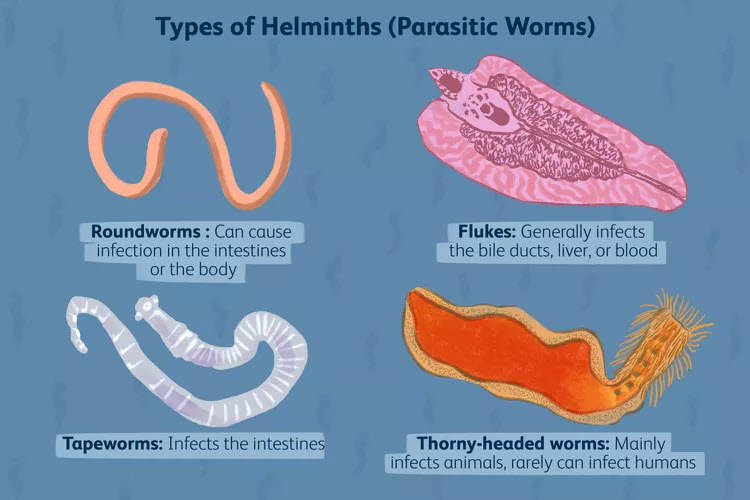
- Target Parasites: Anthelmintics are specifically designed to combat parasitic worms, including nematodes, trematodes, and cestodes.
- Mechanism of Action: They typically work by disrupting the worm’s nervous system, muscle function, or metabolism, leading to paralysis and expulsion.
- Clinical Uses: Anthelmintics are used to treat a wide range of parasitic worm infections, including ascariasis (roundworm), trichuris trichiura (whipworm), hookworm, tapeworm infections, and schistosomiasis (snail fever).
- Examples: Popular anthelmintic medications include albendazole, mebendazole, ivermectin, and praziquantel.
- Side Effects: While generally safe, some anthelmintics may cause mild side effects such as nausea, vomiting, abdominal pain, or diarrhea.
- Drug Resistance: Overuse of anthelmintics can lead to drug resistance in parasites, highlighting the need for new drug development and responsible usage.
- Global Impact: Anthelmintics are vital for public health, particularly in developing countries where parasitic infections are prevalent.
Their responsible use and ongoing research are crucial for maintaining their effectiveness and addressing the global burden of parasitic diseases.
Cancer-killing Gene p53
The p53 gene, also known as TP53, is a crucial tumor suppressor gene that plays a vital role in regulating cell division and cell death. It acts as a “guardian of the genome,” detecting damaged DNA and triggering mechanisms like DNA repair or programmed cell death (apoptosis) to prevent cancer development. Mutations in the p53 gene are common in many cancers, making it a key target for cancer research and potential therapies.
What p53 Does
- Detects DNA damage: p53 senses when DNA is damaged due to various stressors like radiation, chemicals, or replication errors.
- Regulates cell division: When DNA damage is detected, p53 can halt cell division (cell cycle arrest) to allow for repair.
- Triggers apoptosis: If the DNA damage is severe and irreparable, p53 can activate programmed cell death (apoptosis) to eliminate the damaged cell and prevent it from becoming cancerous.
- “Guardian of the genome”: Because of its role in maintaining DNA integrity, p53 is often referred to as the “guardian of the genome”.
- Mutations and cancer: Mutations in the p53 gene are frequently found in various cancers, disrupting its tumor suppressor function and allowing cancer cells to proliferate unchecked.
p53 and Cancer
- Common in cancer: Mutations in the p53 gene are found in approximately half of all cancers.
- Therapeutic potential: Researchers are actively investigating ways to target and reactivate p53 in cancer cells to trigger apoptosis and halt tumor growth.
- Challenges: Developing effective therapies that specifically target p53 in cancer cells has been challenging, but ongoing research is exploring various strategies, including gene therapy and immunotherapy.
p53 acts as a critical safeguard against cancer by preventing the proliferation of damaged cells. Its role in maintaining genomic stability and triggering apoptosis makes it a vital target for cancer research and potential therapeutic interventions.
Fenbendazole Dosage for Cancer in Humans: Benefits, Risks, and Guidelines (2025)
Fenbendazole is believed to work by disrupting microtubules in cancer cells, leading to cell cycle arrest and apoptosis (cell death). Some studies suggest it may also modulate glucose metabolism, limiting cancer cell energy supply.
Potential Side Effects of Fenbendazole in Humans
While generally considered safe, potential side effects may include:
- Gastrointestinal discomfort (nausea, diarrhea, bloating)
- Liver enzyme elevation (rare)
- Bone marrow suppression (rare)
Safety and Precautions
- Medical Supervision: Always consult with a doctor, especially if combining with other treatments.
- Drug Interactions: May interact with chemotherapy or immunotherapy drugs.
- Liver Function Monitoring: Periodic liver enzyme tests may be advisable.
Fenbendazole Protocols
Choosing a Fenbendazole protocol requires a comprehensive and thorough approach, and thorough research on the best alternative for you. Here are some protocols to consider as a starting point.
A Step-by-Step Guide
The Joe Tippens protocol involving fenbendazole is not solely centered around fenbendazole, as it incorporates four other significant components. [9]
- Fenbendazole
- Onco Adjunct Pathway 1
- Onco Adjunct Pathway 2
- Onco Adjunct Pathway 3
- Onco Adjunct Pathway 4 (new)
Note: Check out the New and Improved version of the Joe Tippens Protocol enhanced by Dr William Makis, an oncologist.
Why I Paired Off-Script Antiparasitics with Natural Terrain Therapies During Brain Cancer
- Ivermectin + Fenbendazole shut down microtubules, block glucose, and inhibit tumor blood supply
- Black Walnut is antiparasitic and antifungal—cleansing the gut and terrain
- Artemisinin selectively triggers oxidative stress in cancer cells and may target iron-loaded tumors
- Wormwood disrupts parasites and supports bile flow and detox—critical when cancer or treatment slows down elimination
It wasn’t about chasing magic pills. It was about disrupting the terrain cancer thrives in—at every level.
Scientific Support
- Scientific Reports (2018): Fenbendazole disrupts microtubules & causes apoptosis in glioblastoma
- Frontiers in Oncology (2022): Ivermectin inhibits angiogenesis, crosses blood-brain barrier, and weakens cancer stem cells
- Cancer Letters (2006): Artemisinin shows selective cytotoxicity in iron-rich cancer cells via ROS
- BMC Complement Alternative Medication: Black Walnut & Wormwood effective in parasite clearance and gut microbial balance
- Molecules (2020): Wormwood extract enhances liver detox enzymes and shows cytotoxic effects in some tumor lines
Use All of These in Rotation—Layered Strategically Alongside
- Fasting
- Detox
- Methylene Blue
- Hyperbaric Oxygen Therapy (HBOT)
- Red Light Therapy
- Faith
Getting started with the Fenbendazole Protocol
The Fenbendazole protocol has gained popularity for cancer patients because it is considered safe, easy to use from home, and inexpensive.
The basic protocol patients mentioned using is as follows:
- Fenbendazole – 1 packet a day, 222 mg
- CBD Oil – 25mg a day (use code: “RETHN2” for 20% discount)
- Curcumin – 600mg a day
- Berberine – 2-3 times a day
- Quercetin – 1-2 a day
Know that the Fenbendazole protocol isn’t suitable for everyone. In addition, patients on blood thinners and/or immunotherapy require modifications to prevent interactions between their medication and supplements.
Get Your Personalized Fenbendazole Protocol Consultation Today From Heal Navigator
Metastasis
Metastasis is the process where cancer cells break away from the primary tumor and spread to other parts of the body, forming new tumors. These new tumors are called secondary or metastatic tumors. Metastasis is the primary reason for cancer-related deaths. It’s a complex process involving several steps: invasion (cancer cells break free from the primary tumor), intravasation (cancer cells enter the bloodstream or lymphatic system), transport (cancer cells travel through the circulatory or lymphatic systems), extravasation (cancer cells exit the blood or lymph vessels), and colonization (cancer cells establish a new tumor at a distant site). These steps are often referred to as the metastatic cascade.
Because cancer isn’t just about killing cells.
It’s about restoring the environment those cells live in.
Disclaimers
The use of fenbendazole for cancer in humans is not well-established and should only be considered under the guidance of a qualified healthcare professional.
Always consult a healthcare professional before considering any use of drugs.
We in no way endorse the Joe Tippens Cancer Protocol as a cure for cancer.
You should consult your healthcare professional before starting any new medications
or treatment plans.
The featured image on this page is from the American Media Group website.
 Salubrious Sounds