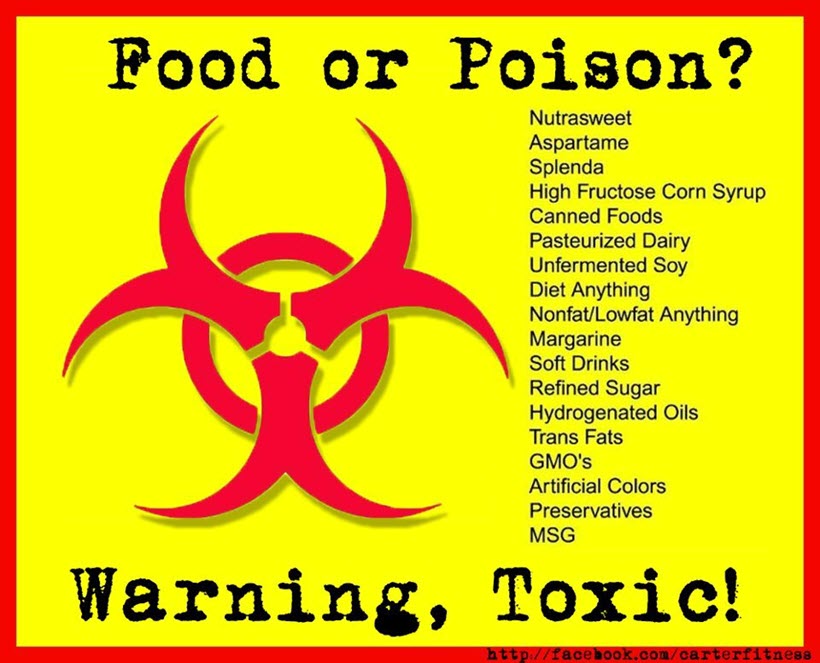
Health-harming foods are those high in unhealthy fats, added sugars, sodium, and processed ingredients, while lacking in essential nutrients, potentially leading to various health issues. Examples include processed meats, sugary drinks, refined carbohydrates, and fried foods.
Know what you’re eating. Your health depends on it.
“The only way to keep your health is to eat what you don’t want, drink what you don’t like, and do what you’d rather not.” – Mark Twain
Content
- Aluminum
- Artificial Sweeteners and Sugar Substitutes
- Breakfast Cereals
- Dyes
- Endocrine Disruptors
- High Fructose Corn Syrup
- Monosodium Glutamate
- Cola, Soda, Soda Pop, Soft Drink
- Biofortified
- GMO (short for “genetically modified organism”)
- There are ONLY 11 GMO crops in the US
- Apeel
- Hexane
- Seed Oils
- Microplastics
- Titanium Dioxide
- Bottom Line
- Videos
- References
- Omega-6 Fatty Acids
Aluminum
Aluminum is present in a variety of food, health, and beauty products, either naturally, as an additive, or through contact with packaging and manufacturing processes. While it’s generally considered safe in small amounts, there are potential dangers associated with excessive exposure or accumulation in the body.
- Neurotoxicity Concerns: High levels of aluminum exposure have been linked to neurological issues. Some studies suggest a possible association between aluminum accumulation in the brain and conditions like Alzheimer’s disease. However, the evidence is inconclusive—decades of research haven’t definitively proven that aluminum causes Alzheimer’s. The Alzheimer’s Association notes that most experts believe it’s unlikely to be a primary cause, though it may play a role in susceptible individuals.
- Bone Health: Excessive aluminum can interfere with bone mineralization. In people with kidney disease, where aluminum isn’t filtered out effectively, it can accumulate in bones, leading to conditions like osteomalacia (softening of the bones). This is more common with chronic exposure, such as through contaminated dialysis water or certain medications.
- Food and Cookware: Aluminum leaches into food from cookware, foil, or cans, especially with acidic foods (e.g., tomatoes or citrus). The amount is usually small and within safe limits set by organizations like the World Health Organization (WHO), which estimates a tolerable weekly intake of 2 mg per kg of body weight. Still, frequent use of uncoated aluminum cookware could increase exposure over time.
- Cosmetics and Antiperspirants: Aluminum compounds in antiperspirants (like aluminum chlorohydrate) have raised concerns about skin absorption and a potential link to breast cancer. Studies, including reviews by the American Cancer Society, have found no clear evidence supporting this connection. Absorption through intact skin is minimal, but broken skin (e.g., after shaving) might allow slightly more uptake.
- Vaccines: Aluminum salts are used as adjuvants in some vaccines to boost immune response. The levels are tiny—typically 0.1–1 mg per dose—and well below toxic thresholds. The CDC and FDA consider this safe, as the body clears it over time. However, rare hypersensitivity reactions have been reported.
- Environmental and Occupational Exposure: People working in industries like mining or aluminum production can inhale aluminum dust, potentially leading to lung issues or “aluminum overload” in extreme cases. Environmental sources, like contaminated water, are a bigger risk in certain regions.
The average person’s exposure—through diet, air, or products—stays well below dangerous levels. The body excretes most aluminum via urine, so healthy individuals are unlikely to see harm. That said, those with impaired kidney function or prolonged high exposure might face risks. If you’re worried, options like stainless steel cookware or aluminum-free deodorants can reduce intake, though the necessity of such switches is debated among experts.
Food
- Natural Sources:
- Vegetables and Fruits: Aluminum occurs naturally in soil, so crops like potatoes, spinach, tea leaves, and some grains (e.g., wheat) can contain trace amounts—typically 0.1–10 mg/kg, depending on soil conditions.
- Seafood: Fish and shellfish can accumulate aluminum from water, though levels are usually low unless from polluted areas.
- Processed Foods:
- Baked Goods: Aluminum-based compounds like sodium aluminum phosphate or aluminum sulfate are used as leavening agents in baking powders, cakes, muffins, and biscuits. Check labels for “aluminum” in the ingredients.
- Cheese: Some processed cheeses (e.g., American cheese) use aluminum salts as emulsifiers to improve texture.
- Pickles and Preserves: Aluminum compounds may be added to firm up textures in pickled products.
- Beverages: Tea (especially black tea) has naturally higher aluminum content (up to 1 mg per cup). Also, drinks in aluminum cans can pick up tiny amounts from the container, especially if acidic (e.g., soda, beer).
- Packaging/Leaching:
- Aluminum Foil and Trays: Cooking or storing acidic foods (e.g., tomatoes, citrus) in foil can cause aluminum to migrate into the food, often in small amounts (a few mg per serving).
- Canned Goods: Soups, vegetables, or fish in aluminum cans may contain trace amounts from the lining.
Health Products
- Medications:
- Antacids: Many (e.g., Maalox, Mylanta) contain aluminum hydroxide to neutralize stomach acid. A single dose might have 100–500 mg of aluminum, though most is not absorbed.
- Buffered Aspirin: Some formulations use aluminum compounds as a buffer.
- Vaccines: Aluminum salts (e.g., aluminum hydroxide, aluminum phosphate) are adjuvants in vaccines like DTaP, Hepatitis B, and HPV—typically 0.1–1 mg per dose.
- Supplements:
- Some mineral supplements or tablets might include aluminum as a binder or contaminant, though it’s not typically listed unless significant.
Beauty Aids
- Antiperspirants:
- Most conventional antiperspirants contain aluminum compounds like aluminum chlorohydrate or aluminum zirconium (5–25% by weight). These block sweat glands temporarily. Deodorants without antiperspirant claims usually don’t have aluminum.
- Cosmetics:
- Lipsticks and Foundations: Aluminum can appear as a colorant (e.g., aluminum lake dyes) or filler, though in small amounts.
- Toothpaste: Some whitening formulas use aluminum oxide as an abrasive or thickener.
- Sunscreens: Aluminum hydroxide is sometimes a stabilizer or coating for titanium dioxide particles.
- Hair and Skin Products:
- Certain dry shampoos, hair dyes, or creams may include aluminum starch octenylsuccinate as an absorbent or texture enhancer.
Notes
- Quantities: In food, aluminum from additives or leaching rarely exceeds a few mg per serving, well below the WHO’s tolerable weekly intake (2 mg/kg body weight). Health and beauty products vary widely—antacids have the highest doses, but absorption is low.
- Labeling: Look for “aluminum,” “alum,” or compounds like “sodium aluminum sulfate” on ingredient lists. Natural aluminum in food isn’t labeled since it’s not an additive.
- Avoidance: If you’re looking to minimize exposure, opt for fresh, unprocessed foods, stainless steel or glass cookware, and “aluminum-free” beauty products (common in natural brands).
Artificial Sweeteners and Sugar Substitutes
There are many forms of “sugar substitutes,” also known as artificial sweeteners. Aspartame, sucralose, saccharin, and sugar alcohols such as erythritol and xylitol are available in various items labeled “diet” or “low-calorie.” They offer sweetness in small amounts because many are far sweeter than table sugar. Saccharin, for example, is typically hundreds of times sweeter than sugar, so only a tiny dose is required. They also appeal to those trying to manage their weight. Some people believe replacing sugar with these products helps them avoid extra calories. Others rely on them to reduce sudden spikes in blood sugar, which can be appealing to individuals with conditions like diabetes. However, their safety and long-term effects have been debated for years, with research revealing both potential benefits and risks. Here’s a breakdown of the dangers and concerns based on available evidence.
Common Artificial Sweeteners and Substitutes
- Aspartame: Found in diet sodas, sugar-free gums, and many “light” products.
- NutraSweet
- Equal
- Spoonful
- Equal Measure
- Benevia
- NutraTaste
- Canderel
- E951: (European food code)
- Aspartame Related USP Compound A: (for a specific impurity)
- N-l-α-aspartyl-l-phenylalanine methyl ester: (chemical name)
- Sucralose: Marketed as Splenda, common in baked goods and beverages.
- Saccharin: One of the oldest sweeteners, found in Sweet’N Low.
- Acesulfame Potassium (Ace-K): Often combined with other sweeteners in processed foods. often marketed under the trade names Sunett and Sweet One.
- Stevia: A natural, plant-derived sweetener, often seen as a “healthier” option.
- Monk Fruit Extract: Another natural alternative gaining popularity.
- Erythritol: Erythritol is a sugar alcohol used as a low-calorie sweetener, known for its sweet taste and potential health risks, including links to cardiovascular issues.
2025
Aspartame has been rebranded as “Amino Sweet” to sound healthier, but don’t be fooled—it’s still the same artificial sweetener with links to headaches, gut issues, and more. Always check your labels and choose real, whole foods over lab-made chemicals. [†]
The University of Colorado research provides clear evidence that erythritol-containing Splenda products pose significant stroke risks through multiple biological mechanisms. [‡]
Potential Dangers
- Metabolic Disruption
- Some studies suggest artificial sweeteners may alter glucose metabolism and insulin sensitivity. For example, sucralose has been linked to increased insulin responses in certain populations, potentially counteracting benefits for diabetics or those seeking weight loss.
- Research on mice has shown that sweeteners like saccharin can disrupt gut microbiota, leading to glucose intolerance—a precursor to metabolic disorders.
- Gut Health Concerns
- Artificial sweeteners may negatively affect the gut microbiome. A 2022 study found that sucralose and saccharin consumption altered microbial diversity in humans, potentially leading to inflammation or digestive issues.
- These changes might contribute to long-term health problems, though human data is still emerging.
- Cancer Risk (Debated)
- Early studies in the 1970s linked saccharin to bladder cancer in rats, prompting warnings. However, subsequent human studies largely debunked this, and it’s considered safe by agencies like the FDA and WHO in moderate amounts.
- Aspartame has faced similar scrutiny. While some rodent studies suggested a link to tumors, extensive reviews (e.g., by the European Food Safety Authority in 2013) found no consistent evidence of carcinogenicity in humans at typical doses.
- Neurological Effects
- Aspartame breaks down into phenylalanine, aspartic acid, and methanol in the body. Excessive intake has been anecdotally tied to headaches, dizziness, and mood changes, especially in sensitive individuals or those with phenylketonuria (PKU), a rare genetic disorder.
- A 2021 review noted weak evidence for neurological symptoms like migraines, but causation remains unproven.
- Weight Gain Paradox
- Despite being calorie-free, some observational studies (e.g., a 2017 meta-analysis in CMAJ) found that regular use of artificial sweeteners was associated with modest weight gain and higher BMI over time. This might be due to compensatory overeating triggered by altered reward pathways in the brain or psychological effects of “guilt-free” indulgence.
- Cardiovascular Risks
- A 2022 study in BMJ linked higher artificial sweetener intake (particularly aspartame and acesulfame-K) to a slightly increased risk of cardiovascular disease. The mechanism isn’t clear, but it may relate to inflammation or metabolic changes.
- Natural Substitutes: Not Risk-Free
- Stevia and monk fruit are often touted as safer, but high doses of steviol glycosides (from Stevia) have raised concerns about potential kidney strain or low blood pressure in animal studies. Human risks at normal consumption levels appear minimal.
Regulatory Stance
Agencies like the FDA, WHO, and EFSA set Acceptable Daily Intakes (ADIs) for these sweeteners, deeming them safe within limits. For example, the ADI for aspartame is 50 mg/kg of body weight—equivalent to drinking about 20 cans of diet soda daily for an average adult.
Critics argue these limits may not account for cumulative exposure from multiple sources or long-term effects still under study.
Practical Takeaways
- Moderation: Risks seem most pronounced with excessive, chronic use. Sticking below ADI levels is unlikely to cause harm for most people.
- Individual Variation: Sensitivity varies—some report side effects like bloating or headaches, while others experience none.
- Context Matters: Replacing sugar with sweeteners might help short-term calorie control, but whole foods (e.g., fruit) could be a better long-term strategy.
The science isn’t fully settled, and new research continues to emerge. If you’re concerned, cutting back on both sugar and substitutes in favor of natural, unsweetened options might sidestep the debate entirely. What’s your take—are you using these sweeteners yourself?
Breakfast Cereals
Breakfast cereals aren’t inherently harmful, but certain types and consumption patterns can pose health risks depending on their ingredients, processing, and how they fit into your diet. Here’s why some are flagged as problematic:
High Sugar Content
- Issue: Many cereals, especially those marketed to kids (e.g., Froot Loops, Frosted Flakes), are loaded with added sugars—sometimes 10–15 grams per serving, which is 25–40% of the daily recommended limit for adults (per the American Heart Association: 25g for women, 36g for men).
- Impact: Excess sugar spikes blood glucose, contributing to insulin resistance, weight gain, and a higher risk of type 2 diabetes. It’s also linked to cavities and inflammation.
- Catch: “Healthy” cereals (e.g., granola) can still pack sugar under names like “cane syrup” or “honey.”
Refined Grains
- Issue: Most cereals use refined flour (e.g., white rice, corn, or wheat) stripped of fiber and nutrients during processing. Even “whole grain” labels might mean minimal actual whole grain content.
- Impact: Low fiber means quick digestion, leading to blood sugar spikes and crashes, leaving you hungry soon after. Over time, heavy reliance on refined carbs is tied to obesity and heart disease.
- Contrast: Unrefined grains (e.g., oats in steel-cut oatmeal) digest slower and retain more nutrients.
Artificial Additives
- Issue: Colors (e.g., Red 40, Yellow 5), flavors, and preservatives (e.g., BHT) are common in processed cereals. Some contain emulsifiers or stabilizers that might disrupt gut health.
- Impact: Studies (mostly animal-based) suggest artificial dyes could affect behavior in kids (e.g., hyperactivity), though human evidence is mixed. Preservatives like BHT are generally recognized as safe by the FDA but raise concerns in high doses for potential endocrine disruption or liver effects.
Nutrient Deficiencies
- Issue: Many cereals are fortified with vitamins and minerals (e.g., iron, B12), but this doesn’t offset the lack of natural nutrition. The base is often a nutrient-poor starch.
- Impact: Relying on fortified cereals can create a false sense of “healthiness” while missing out on diverse nutrients from whole foods like fruits, nuts, or eggs.
Aluminum Content
- Issue: Some cereals contain aluminum from leavening agents (e.g., sodium aluminum phosphate in puffed or baked varieties) or processing equipment.
- Impact: While levels are small and usually safe (below WHO’s 2 mg/kg body weight weekly limit), chronic exposure might concern those with kidney issues or who eat lots of processed foods. No direct link to cereal-specific harm, but it adds to cumulative intake.
Overeating and Portion Control
- Issue: Cereal is easy to overeat—serving sizes on boxes (often 30–40g) are tiny compared to what people pour (closer to 100g). Sugary or low-fiber options don’t satisfy long-term.
- Impact: Excess calories pile up, contributing to weight gain. Pairing with high-fat milk can amplify this.
Marketing Misleads
- Issue: Labels like “low fat,” “high fiber,” or “heart-healthy” (e.g., Cheerios) can exaggerate benefits. A cereal might have 3g of fiber but 10g of sugar, negating the perk.
- Impact: People might over-rely on cereal as a “healthy” choice, crowding out better options like eggs or yogurt with fruit.
Context Matters
- Not All Cereals: Plain oatmeal, unsweetened bran, or high-fiber, low-sugar options (e.g., Shredded Wheat) are less problematic and can fit a balanced diet.
- Diet Pattern: Harm ramps up if cereal is a daily staple, especially alongside other processed foods, versus an occasional meal.
Glyphosate
Studies by the Environmental Working Group (EWG) have found that glyphosate, the active ingredient in the herbicide Roundup, is present in many popular breakfast cereals and oat-based products, raising concerns about potential health risks, though manufacturers maintain their products are safe.
- Glyphosate Detection: The EWG has conducted multiple rounds of testing, finding glyphosate in various oat-based cereals, granola, and snack bars, including brands like Quaker, Kellogg’s, and General Mills.
- Health Concerns: Glyphosate has been linked to potential health problems, including cancer, metabolic and liver diseases, and lower birth weight and shorter pregnancy duration in some studies.
- EWG Findings: The EWG’s research suggests that glyphosate levels in some of these products are higher than what they consider protective for children’s health.
- Examples of Products Tested: Some products with higher glyphosate levels include Honey Nut Cheerios Medley Crunch, Cheerios, Quaker Chewy S’mores, and Quaker Breakfast Squares.
- Manufacturer Response: Manufacturers generally state that their products are safe and within regulatory limits, but the EWG continues to raise concerns about the presence of glyphosate in these foods.
- Regulatory Limits: Current evidence suggests that glyphosate levels in cereals are generally within regulatory safety limits and do not pose significant health risks to consumers.
- EWG’s Perspective: The EWG calls for stricter regulations and encourages consumers to be aware of the presence of glyphosate in their food choices.
- Ongoing Research: Research into the long-term effects of glyphosate exposure continues, and there are varying perspectives on the potential health risks.
Evidence
Anecdotally, X posts often call out sugary cereals as “junk food in disguise,” though some defend fortified ones for convenience. Studies (e.g., American Journal of Clinical Nutrition, 2019) tie frequent sugary cereal intake to higher BMI in kids. Adult data is less direct but shows refined-carb-heavy diets increase metabolic risks over decades.
Dyes
Dyes in food, often synthetic colorants, are added to enhance appearance and appeal. While widely used and regulated, they carry potential dangers, particularly with excessive or chronic exposure. Here’s a look at the risks based on evidence and concerns:
Allergic Reactions and Sensitivities
- What: Some people react to dyes like Tartrazine (Yellow 5), Red 40, or Blue 1 with hives, itching, or asthma-like symptoms.
- Evidence: Rare but documented. A Journal of Allergy and Clinical Immunology study (1980s) found 1–2% of asthmatics might be sensitive to Tartrazine, though modern reviews (e.g., FDA, 2011) say it’s uncommon. Reactions are more likely in those already prone to allergies.
- Impact: Mild for most, but severe if you’re in that small sensitive group.
Behavioral Effects in Kids (Hyperactivity)
- What: Artificial dyes are linked to increased hyperactivity or attention issues, especially in children.
- Evidence: The Southampton Study (The Lancet, 2007) found a mix of dyes (e.g., Yellow 5, Red 40) plus sodium benzoate slightly worsened hyperactivity in some kids, leading to EU warning labels. U.S. studies (e.g., Pediatrics, 2011) are mixed—some see a small effect in ADHD-prone kids, others find no clear link. The FDA concluded in 2011 that evidence doesn’t warrant a ban, but it’s not fully dismissed.
- Impact: Subtle and variable; might depend on dose and individual susceptibility.
Potential Carcinogenicity
- What: Some dyes or their impurities (e.g., benzidine in Yellow 5 or 6) are suspected to pose cancer risks.
- Evidence: Animal studies fuel this—e.g., Red 3 caused thyroid tumors in rats at high doses (Food and Chemical Toxicology, 1983), prompting partial U.S. restrictions. Red 40 and Yellow 5 have trace contaminants (below 1 ppm) that are carcinogenic in isolation, but human risk is unproven. The FDA and EFSA set strict limits (e.g., 7 mg/kg body weight daily for Red 40), and cancer links remain speculative at typical intake.
- Impact: Low risk at regulated levels, but long-term, high exposure raises questions.
Gut Health Disruption
- How: Dyes might alter gut microbiota or irritate the digestive tract.
- Evidence: Emerging but thin. A Nature Communications study (2021) showed Red 40 and Yellow 6 could damage gut lining in mice at high doses, hinting at inflammation risks. Human data is lacking, and amounts in food (mg per serving) are far below test levels.
- Impact: Theoretical for now; needs more research.
Endocrine Disruption Concerns
- What: Some dyes may mimic hormones or interfere with endocrine signaling.
- Evidence: Weak and indirect. Tartrazine and Sunset Yellow (Yellow 6) showed mild estrogen-like effects in lab tests (Toxicology Letters, 2017), but no clear human impact at dietary doses. Aluminum-based lakes (dye forms in candy) add trace aluminum, but it’s negligible compared to other sources.
- Impact: Unlikely at current levels, though cumulative chemical exposure worries some experts.
Toxicity at High Doses
- What: Overconsumption could strain liver or kidneys.
- Evidence: Rat studies (e.g., Food Chemistry, 2010) show organ stress at doses like 500 mg/kg—way above human intake (e.g., 0.1–1 mg/kg from a candy binge). ADIs (acceptable daily intakes) from WHO/FAO keep real-world use safe.
- Impact: Only a risk if you’re chugging dye concentrate, not eating Skittles.
Common Dyes and Sources
- Red 40: Candy, soda, cereals (most used U.S. dye).
- Yellow 5/6: Snacks, desserts, drinks (Tartrazine is Yellow 5).
- Blue 1/2: Ice cream, baked goods.
- Red 3: Maraschino cherries (partially banned in cosmetics).
- Natural Dyes: Beet juice or turmeric are safer but less common in processed stuff.
Context
- Regulation: FDA approves nine synthetic dyes, with strict limits (e.g., Red 40 at 7 mg/kg/day). Europe’s tighter—some dyes need warnings or are banned (e.g., Yellow 5 in Norway).
- Dose: A soda might have 10–50 mg of dye; ADIs assume 100s of mg are safe daily. Most people stay way under.
- Real Risk: Bigger issue is the junk food dyes come in—sugar, fat, and salt dwarf dye dangers.
X Chatter
- Posts often blast dyes as “toxic chemicals” or “ADHD fuel,” citing Southampton. Skeptics argue it’s overblown—natural foods have toxins too (e.g., oxalates). Both sides exaggerate; science leans cautious but not alarmist.
Dyes aren’t poison in moderation, but sensitive folks or heavy processed-food eaters might see downsides.
Endocrine Disruptors
Endocrine disruptors are chemicals or substances that interfere with the endocrine system—the network of glands (like the thyroid, adrenals, and pituitary) that produce and regulate hormones. Hormones control critical functions such as metabolism, growth, reproduction, mood, and immune response. When endocrine disruptors mess with this system, they can mimic, block, or alter hormone activity, potentially leading to health issues.
How They Work
- Mimicking Hormones: Some disruptors (e.g., BPA) act like natural hormones, such as estrogen, tricking the body into over-responding.
- Blocking Hormones: Others bind to hormone receptors and prevent real hormones from doing their job (e.g., phthalates can inhibit testosterone).
- Altering Hormone Levels: They can change how hormones are produced, broken down, or transported in the body.
Common Examples
- Bisphenol A (BPA): Found in plastics (e.g., water bottles, food containers) and can linings. Mimics estrogen.
- Phthalates: Used in plastics, cosmetics (e.g., nail polish, lotions), and fragrances. Linked to reduced testosterone and reproductive issues.
- Parabens: Preservatives in cosmetics and pharmaceuticals. Can mimic estrogen weakly.
- Pesticides (e.g., DDT, atrazine): Used in agriculture. Some persist in the environment and affect thyroid or sex hormones.
- Per- and Polyfluoroalkyl Substances (PFAS): In non-stick cookware, waterproof fabrics, and firefighting foam. Linked to thyroid disruption.
- Heavy Metals: Lead, mercury, and cadmium can disrupt hormone signaling, especially in the brain and reproductive system.
- Polychlorinated Biphenyls (PCBs): Banned industrial chemicals still lingering in the environment. Affect thyroid and reproductive hormones.
Sources
- Food and Water: Contaminated fish, produce with pesticide residues, or water from plastic pipes.
- Consumer Products: Plastics, personal care items (e.g., shampoos, deodorants), and household goods.
- Environment: Air pollution, soil, or dust containing industrial runoff or legacy chemicals.
Potential Health Effects
- Reproductive Issues: Infertility, early puberty, or menstrual irregularities (e.g., phthalates linked to lower sperm count).
- Developmental Problems: Prenatal exposure may lead to birth defects or behavioral issues (e.g., BPA tied to neurodevelopment risks).
- Metabolic Disorders: Obesity, diabetes, or thyroid dysfunction (e.g., PFAS associated with thyroid hormone imbalance).
- Cancer: Some disruptors (e.g., estrogen mimics) are suspected to increase risks of breast or prostate cancer, though evidence varies.
- Immune Effects: Hormone disruption can weaken immunity over time.
Scope and Debate
The impact depends on dose, timing (e.g., fetal exposure is riskier), and individual susceptibility. Low-level exposure from everyday products is common, but whether it’s enough to cause harm in most people is debated. The Endocrine Society and some researchers argue even tiny amounts can matter, especially over time, while regulatory bodies like the FDA often say current levels in approved products are safe. Critics point out that animal studies (e.g., rats showing reproductive harm) don’t always translate to humans.
Reducing Exposure
- Filter water if your area has known contaminants.
- Use glass or stainless steel instead of plastic for food storage.
- Check labels for “BPA-free,” “phthalate-free,” or “paraben-free” products.
- Eat organic to avoid pesticides, and wash produce thoroughly.
Skin Absorption
The skin can absorb certain substances that come into contact with it, e.g., deodorant, sunscreen, perfume, and cologne, acting as a permeable barrier. How much is absorbed depends on factors like the substance’s chemical properties, the condition of the skin, and exposure time. For example, water-soluble substances like some vitamins or small molecules can pass through more easily, especially if the skin is moist or damaged. Lipophilic (fat-soluble) substances, like certain oils or chemicals, can also penetrate the skin’s outer layer, the stratum corneum, which is made of dead cells and lipids.
This is why topical medications—like nicotine patches or pain relief creams—work; the active ingredients get absorbed into the bloodstream. Studies suggest that about 1-10% of what’s applied to the skin gets absorbed, though this varies widely. For instance, a 2005 study in Skin Research and Technology found that caffeine from topical application can penetrate the skin within hours, detectable in blood plasma.
On the flip side, the skin’s primary job is to protect, so it’s not like everything sinks in—big molecules, like most proteins, usually don’t make it through.
High Fructose Corn Syrup
High Fructose Corn Syrup (HFCS) is a sweetener derived from corn starch, commonly used in sodas, processed foods, and desserts. Its detrimental effects stem from its composition—typically 55% fructose and 45% glucose (HFCS-55)—and how the body processes it, especially in excess.
The food industry, well aware of the public’s growing wariness of HFCS, often resorts to labeling tactics that make its presence less obvious. Here are some of the alternative names under which HFCS might be hiding in your foods:
- Fructose
- Fructose Syrup
- Corn Syrup
- Corn Syrup Solids
- Corn Sweetener
- Maize Syrup
- Glucose/Fructose Syrup
- Isolated Fructose
- Fruit Fructose
- Crystalline Fructose
It’s important to note that while some of these names genuinely represent different products, they still can have a high fructose content, bringing along similar health concerns as HFCS.
Liver Overload and Fatty Liver
- How: Unlike glucose, which cells throughout the body can use, fructose is metabolized almost entirely by the liver. Excess fructose gets converted into fat via de novo lipogenesis.
- Effects: This can lead to non-alcoholic fatty liver disease (NAFLD). Studies like one in Hepatology (2010) show heavy HFCS intake (e.g., from sugary drinks) correlates with fat buildup in the liver, even in healthy people. About 30% of U.S. adults have NAFLD, and HFCS is a suspected driver.
- Contrast: Table sugar (sucrose, 50% fructose) has similar effects, but HFCS’s prevalence in cheap, high-volume foods amplifies exposure.
Weight Gain and Obesity
- How: HFCS delivers dense calories (about 4 kcal/g, like sugar) without triggering fullness signals effectively. Fructose doesn’t stimulate insulin or leptin (satiety hormone) as glucose does.
- Effects: Overconsumption is linked to obesity. A American Journal of Clinical Nutrition study (2004) found HFCS-sweetened drinks increased body weight more than low-calorie alternatives in controlled trials. Population data (e.g., Critical Reviews in Food Science, 2013) ties rising HFCS use since the 1970s to obesity trends, though it’s not the sole culprit—total calorie intake matters too.
Insulin Resistance and Diabetes
- How: Excess fructose metabolism in the liver produces uric acid and triglycerides, which can impair insulin signaling.
- Effects: This raises type 2 diabetes risk. A Diabetes Care study (2010) linked sugary drinks (often HFCS-based) to a 26% higher diabetes risk per daily serving. HFCS itself isn’t uniquely worse than sugar here, but its ubiquity in sodas and snacks drives overconsumption.
Elevated Triglycerides and Heart Disease
- How: Fructose-to-fat conversion spikes blood triglycerides (fats).
- Effects: High triglycerides are a heart disease risk factor. Research in Journal of Clinical Investigation (2009) showed HFCS-sweetened drinks raised post-meal triglyceride levels more than glucose-based ones in young adults. Long-term, this may contribute to atherosclerosis.
Gut Health Disruption
- How: Excess fructose can overwhelm the small intestine’s ability to absorb it, sending it to the colon where bacteria ferment it.
- Effects: This may cause bloating, gas, or diarrhea in sensitive people. A Cell Metabolism study (2017) also suggests high fructose shifts gut microbiota, potentially worsening inflammation, though human data is early-stage.
Appetite Dysregulation
- How: Fructose doesn’t suppress ghrelin (hunger hormone) like glucose does, per Nutrition Reviews (2013).
- Effects: You stay hungry despite high calorie intake, encouraging overeating. This is why HFCS-laden sodas are often blamed for “empty calories.”
Uric Acid and Gout
- How: Fructose metabolism generates uric acid as a byproduct.
- Effects: Elevated uric acid can trigger gout or kidney stones. A BMJ study (2008) found men drinking two or more HFCS-sweetened sodas daily had an 85% higher gout risk.
Context and Debate
- Dose: Small amounts (e.g., a teaspoon in ketchup) aren’t likely harmful. Problems emerge with habitual intake—think 20–50g daily from multiple sources (a 12-oz soda has ~25g HFCS).
- HFCS vs. Sugar: Chemically, HFCS-55 is close to sucrose (50% fructose). Critics argue it’s not uniquely evil—total fructose matters more than source. Defenders (e.g., corn industry) cite this, but its cheapness and presence in ultraprocessed foods make it a bigger player in diets.
- Data: Animal studies (e.g., rats on high-fructose diets) show dramatic liver damage, but humans metabolize slower, so effects are dose- and time-dependent.
Where It’s Found
- Sodas, fruit drinks, candies, baked goods, cereals, sauces, and even “health” bars. Check labels—HFCS hides in unexpected places like bread or yogurt.
X Buzz
- Posts often vilify HFCS as “poison” or “diabetes juice,” echoing science on liver and obesity links. Skeptics counter it’s just “sugar’s cousin,” not a lone villain.
HFCS isn’t toxic in moderation, but its role in processed diets stacks the deck against health.
Monosodium Glutamate
Monosodium Glutamate (MSG) is a flavor enhancer derived from glutamic acid, an amino acid, widely used in processed foods, restaurant dishes (especially Asian cuisine), and snacks. It’s been controversial since the 1960s due to “Chinese Restaurant Syndrome,” but its actual detrimental effects are debated. Here’s what science and concerns say:
Symptom Reports (Chinese Restaurant Syndrome)
- What: Anecdotal claims link MSG to headaches, flushing, sweating, chest tightness, nausea, or numbness after eating MSG-heavy meals.
- Evidence: Early reports (e.g., New England Journal of Medicine, 1968) sparked this, but controlled studies are mixed. A 1995 FDA-commissioned review found no consistent link in double-blind trials, except in a small subset of sensitive people at high doses (3g+ on an empty stomach). Normal food amounts (0.5–1.5g per serving) rarely trigger this.
- Catch: Symptoms might stem from overeating, salt, or other ingredients, not just MSG.
Potential Neurotoxicity
- How: Glutamate is a neurotransmitter; excess could theoretically overstimulate brain cells (excitotoxicity).
- Effects: Animal studies (e.g., mice given massive doses in the 1970s) showed brain lesions, sparking fear. But humans metabolize MSG differently—blood glutamate levels barely rise after typical intake, per Journal of Nutrition (2000). No solid human evidence shows brain harm at dietary levels.
- Context: The blood-brain barrier blocks most dietary glutamate unless it’s compromised.
Appetite and Weight Gain
- How: MSG enhances umami taste, possibly making food more craveable.
- Effects: Some studies suggest a link to overeating and obesity. A American Journal of Clinical Nutrition study (2008) found higher MSG intake (e.g., 5g daily in China) correlated with slight weight gain, independent of calories. But causality’s shaky—could be tied to processed food diets overall, not MSG alone.
- Counter: Other trials (e.g., Obesity, 2011) found no consistent appetite spike.
Allergic or Sensitivity Reactions
- What: A tiny group reports asthma flares, hives, or migraines after MSG.
- Evidence: Rare and inconsistent. A 2000 Australian study saw asthma worsening in 12% of MSG-sensitive asthmatics at 3g doses, but not at typical levels. The FDA labels MSG “generally recognized as safe” (GRAS), with no widespread allergy proof.
- Dose: Reactions, if real, need amounts far above normal (e.g., 1g in soup vs. 5g+ in tests).
Sodium Content
- How: MSG has less sodium per gram than table salt (12% vs. 39%), but adds to total intake.
- Effects: In excess, it could contribute to hypertension or water retention, though less than salt-heavy diets. A Hypertension study (2015) found no unique MSG-blood pressure link beyond sodium’s known effects.
Gut and Metabolic Speculation
- How: Glutamate receptors exist in the gut; some theorize MSG might disrupt digestion or metabolism.
- Effects: Emerging research (e.g., Neurogastroenterology & Motility, 2017) hints at gut signaling changes, but human impact is unclear—no solid harm proven yet.
Context
- Safety: The FDA, WHO, and EU deem MSG safe at typical levels (0.1–0.8% of food by weight). JECFA sets no upper limit, as toxicity only kicks in at absurd doses (e.g., 10–20g/kg in rats).
- Where It’s Found: Soups, chips, fast food, seasoning blends (e.g., Accent), canned goods, and naturally in tomatoes, cheese, or soy sauce (free glutamate).
- Dose Matters: A bowl of ramen might have 1g; adverse effects in studies need 3–5g, often without food.
Debate and Perception
- X Vibe: Posts range from “MSG is poison” (citing headaches) to “it’s fine, stop whining” (pointing to FDA). Fear outpaces data, fueled by its processed-food stigma.
- Science: Most rigorous trials (e.g., Food and Chemical Toxicology, 1991) find no widespread harm. Sensitivity exists but is overhyped—placebo effects often mimic “MSG symptoms.”
Cola, Soda, Soda Pop, Soft Drink
Around the world, carbonated drinks are called by various names, including “soda,” “soda water,” “pop,” “cola,” “coke”, “soft drink,” “fizzy drink,” and “cool drink,” with regional variations within countries like the United States.
Drinking soda—whether regular or diet—can have several detrimental effects on health, largely tied to its ingredients and how it’s consumed. Here’s a rundown of the key issues:
Regular Soda
- High Sugar Content
- What’s in it: A 12-ounce can (e.g., Coke, Pepsi) typically has 39–42 grams of sugar, exceeding the American Heart Association’s daily limit (25g for women, 36g for men).
- Effects: Rapid blood sugar spikes lead to insulin surges, increasing risks of insulin resistance, type 2 diabetes, and fat storage (especially visceral fat). Over time, it’s linked to obesity—studies like one in The Lancet (2001) found each daily sugary drink ups childhood obesity risk by 60%.
- Teeth: Sugar feeds mouth bacteria, producing acid that erodes enamel, causing cavities.
- Empty Calories
- What’s in it: About 140–150 calories per can, with no nutritional value (vitamins, fiber, etc.).
- Effects: Easy to overconsume, contributing to weight gain without satiety. A Journal of the American Medical Association study (2004) tied sugary drinks to long-term weight gain in adults.
- Acidity
- What’s in it: Phosphoric acid and citric acid lower pH (around 2.5–3.5).
- Effects: Erodes tooth enamel over time, even if sugar-free. Phosphoric acid may also leach calcium from bones, though evidence is mixed—some studies (e.g., American Journal of Clinical Nutrition, 2006) suggest a weak link to lower bone density, especially in heavy cola drinkers.
- Caffeine (in some)
- What’s in it: 30–40 mg per can in colas (less than coffee, but notable).
- Effects: Can cause jitteriness, sleep disruption, or dependency in sensitive people. In kids, it’s tied to hyperactivity.
Diet Soda
- Artificial Sweeteners
- What’s in it: Aspartame, sucralose, or acesulfame potassium replace sugar.
- Effects: Generally FDA-approved as safe, but debated. Some studies (e.g., Nature, 2014) suggest sweeteners alter gut bacteria, potentially affecting metabolism and cravings, though human impact is unclear. Aspartame in high doses (rare from soda) breaks down into phenylalanine, a concern for those with phenylketonuria (PKU). Anecdotal reports on X link it to headaches or bloating, but no solid causal data.
- Acidity (Again)
- Effects: Same enamel erosion risk as regular soda, despite no sugar.
- Appetite Confusion
- Effects: Zero-calorie sweeteners might trick the brain into expecting calories that don’t come, possibly increasing hunger later. A Yale Journal of Biology and Medicine review (2010) notes mixed evidence—some people compensate by eating more, others don’t.
Shared Risks
- Metabolic Syndrome
- How: Both types are linked to higher odds of this cluster (obesity, high blood pressure, high triglycerides). A Circulation study (2009) found daily soda drinkers (regular or diet) had a 20–30% higher risk, possibly due to sugar, sweeteners, or habits tied to soda drinking.
- Kidney Issues
- How: Phosphoric acid in colas might stress kidneys over decades. A Clinical Journal of the American Society of Nephrology study (2010) linked two daily colas to a doubled risk of chronic kidney disease, though causality isn’t firm.
- Gut Health
- How: Sugar feeds bad gut bacteria; sweeteners might disrupt microbial balance. Emerging research (e.g., Gut Microbes, 2021) suggests frequent soda could shift microbiomes unfavorably, but it’s not conclusive.
- Aluminum Exposure
- What’s in it: Cans leach trace aluminum, especially with acidic contents (a few micrograms per can).
- Effects: Negligible for most—far below WHO’s 2 mg/kg weekly limit—but adds to cumulative intake if you’re guzzling multiple cans daily.
Context
- Dose Matters: One soda occasionally won’t wreck you. Daily or multi-can habits amplify risks.
- Who’s Vulnerable: Kids (developing bodies), diabetics (sugar sensitivity), or those with poor dental hygiene face bigger downsides.
- Alternatives: Water, unsweetened tea, or sparkling water dodge these issues.
Soda’s flak isn’t hype—data backs the sugar and obesity links especially. On X, you’ll see folks rant about “liquid candy” or “diet soda traps,” aligning with the science.
Some sodas don’t just spike your blood sugar — they silently trigger chronic inflammation.
If you’re struggling with joint pain, fatigue, skin issues, or stubborn weight … your favorite drink might be one of the hidden causes. Behind the sugar, dyes, and fake sweeteners, there’s a slow build-up of toxins — and that build-up shows up in the worst ways: Fatigue. Brain fog. Bloating. Mood swings. Dry skin. Brittle nails. Dull hair. Stubborn weight. Don’t just swap sodas… learn how to flush the junk out. – Forgotten Home Apothecary
Plastic Soda Can Liner
‘A guy dunked a Coke can in caustic acid, and guess what? The aluminum dissolved, but what was left behind? A plastic liner. Yes, that fizzy little drink we love is wrapped in a microplastic coating—like a soda condom! (You know, for your protection. Because nothing says “refreshing” like BPA (Bisphenol A) and hormonal disruptors.) So not only are you essentially drinking toilet bowl cleaner with caramel coloring, but you’re also consuming endocrine disruptors, BPA, and enough plastic to fill a Tupperware party. But please, tell me more about how “everything in moderation” is just fine. You’re being poisoned—slowly, silently, and systematically. Start detoxing or keep sipping on plastic. The choice is yours.’
Instagram: https://www.instagram.com/reel/DMBFurUszyX/?utm_source=ig_web_copy_link
Biofortified
Is biofortified another name for GMO?
GMO and biofortified refer to different things.
🧬 GMO (Genetically Modified Organism) refers to any organism whose DNA has been altered using genetic engineering techniques. These changes often aim to improve crop yield, pest resistance, or shelf life.
🥦 Biofortified foods, on the other hand, are crops that have been bred to have higher nutritional value — like more iron, zinc, or vitamin A. This can be done through conventional breeding or genetic modification, but not all biofortified foods are GMOs.
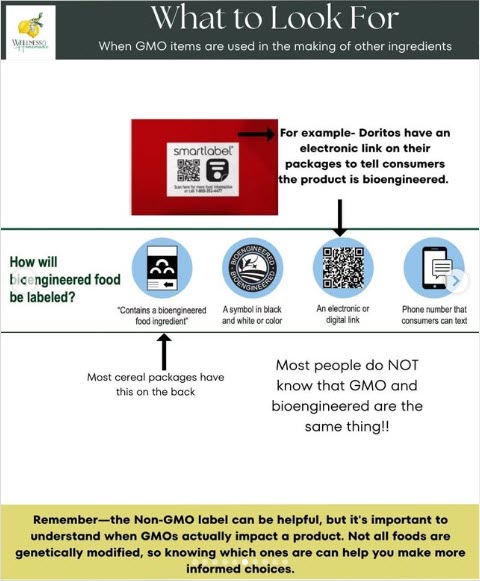
📜 In the U.S., the term “bioengineered” is now the official label replacing “GMO” on food packaging, as per USDA regulations. Some confusion online has led people to believe “biofortified” is the new term for GMO, but that’s not accurate.
In short: bioengineered = new label for GMO, while biofortified = nutritionally enhanced, and may or may not involve genetic modification.
How does conventional breeding compare to genetic modification for biofortification?
Great question, Gary — both approaches aim to boost the nutritional value of crops, but they take very different paths to get there. Here’s how they stack up:
🌾 Conventional Breeding
This is the age-old method of crossbreeding plants with desirable traits — like higher iron or vitamin A — over multiple generations.
Pros:
- Widely accepted by consumers and regulators
- Low-tech and cost-effective, especially in developing countries
- Can tap into natural genetic diversity (e.g., wild relatives of crops)
Cons:
- Slow process — it can take years or decades to develop a successful variety
- Limited by what traits already exist in the gene pool
- Less precise — may introduce unwanted traits alongside the good ones
🧬 Genetic Modification (GM)
This uses biotechnology to directly insert or tweak genes — even from unrelated species — to enhance nutrient content.
Pros:
- Faster and more precise — can target specific genes
- Can introduce traits not found in nature, like Golden Rice with β-carotene
- Often results in higher nutrient levels than conventional methods
Cons:
- Regulatory hurdles and public skepticism in many countries
- Higher development costs
- May face trade restrictions in global markets
Additional Reading
“List of Bioengineered Foods.” 2025. List of Bioengineered Foods | Agricultural Marketing Service. Accessed July 2. https://www.ams.usda.gov/rules-regulations/be/bioengineered-foods-list.
“How GMOs Are Regulated.” 2025. U.S. Food and Drug Administration. FDA. Accessed July 2. https://www.fda.gov/food/agricultural-biotechnology/how-gmos-are-regulated-united-states.
“What is a bioengineered food?” BE Consumer Fact Sheet. 2025. U.S. Department of Agriculture. USDA. Accessed July 2. https://www.ams.usda.gov/sites/default/files/media/BE_Consumer.pdf.
GMO (short for “genetically modified organism”)
A GMO, or genetically modified organism, is any plant, animal, or microorganism whose DNA has been altered using genetic engineering techniques to modify its characteristics. [1, 2, 3, 4]
In the U.S., the term “bioengineered” is now the official label replacing “GMO” on food packaging, as per USDA regulations.
Here’s a more detailed explanation: [3, 4, 5]
- Definition: GMOs are organisms whose genetic material (DNA) has been changed using technology that involves the specific modification of DNA, including the transfer of specific DNA from one organism to another. [3, 4, 5]
- Genetic Engineering: This process, also known as genetic engineering, allows scientists to introduce new genes or modify existing ones to achieve specific traits or outcomes. [1, 3, 4]
- Examples: GMOs can include crops (like corn, soy, and cotton), animals (like fish and livestock), and microorganisms (like bacteria and fungi). [2, 4, 6]
- Purpose: Genetic modification can be used to improve traits like yield, nutritional content, pest resistance, or herbicide tolerance. [4, 7, 8]
- Other terms: Another term for GMOs is bioengineered foods. [9]
Generative AI is experimental.
[1] “Genetically Modified Organism.” 2025. Wikipedia. Wikimedia Foundation. April 6. https://en.wikipedia.org/wiki/Genetically_modified_organism.
[2] “What Is a GMO? – The Non-GMO Project.” 2025. The Non-GMO Project – Everyone Deserves an Informed Choice. March 28. https://www.nongmoproject.org/gmo-facts/what-is-gmo/.
[3] “Genetically Modified Organism (GMO).” 2025. genome.gov. Accessed April 6. https://www.genome.gov/genetics-glossary/Genetically-Modified-Organism-GMO.
[4] “Genetically Modified Organisms.” 2025. Education. Accessed April 6. https://education.nationalgeographic.org/resource/genetically-modified-organisms/.
[5] Program, Human Foods. 2025. “Agricultural Biotechnology.” U.S. Food and Drug Administration. FDA. Accessed April 6. https://www.fda.gov/food/consumers/agricultural-biotechnology.
[6] Program, Human Foods. 2025. “Agricultural Biotechnology.” U.S. Food and Drug Administration. FDA. Accessed April 6. https://www.medicalnewstoday.com/articles/what-is-gmo.
[7] Raman, Ryan. 2024. “GMO Pros and Cons, Backed by Evidence.” Healthline. Healthline Media. https://www.healthline.com/nutrition/gmo-pros-and-cons.
[8] “Genetically Modified Organisms.” 2025. European Food Safety Authority. Accessed April 6. https://www.efsa.europa.eu/en/topics/genetically-modified-organisms.
[9] “Genetically Modified Organisms – GMOs: MedlinePlus Medical Encyclopedia.” 2025. MedlinePlus. U.S. National Library of Medicine. Accessed April 6. https://medlineplus.gov/ency/article/002432.htm.
There are ONLY 11 GMO crops in the US
Not all crops are GMO—let’s clear that up!
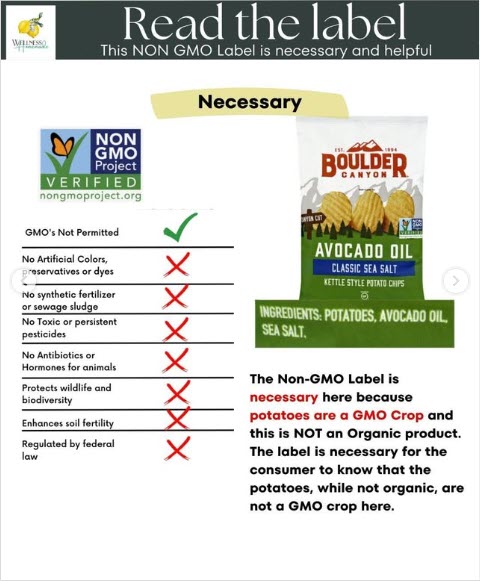
Slapping a Non-GMO label on almonds or oats is kind of like putting a “gluten-free” sticker on a pack of raw chicken—it was never an issue to begin with!
Have you ever paid more for a product simply because it was labeled Non-GMO, only to find out that crop wasn’t even genetically modified in the first place?
Let’s Break It Down
There are currently only 11 genetically modified (GMO) crops approved and commercially available in the U.S. according to the FDA. These include:
- Alfalfa
- Apples
- Canola
- Corn
- Cotton
- Eggplant (a specific variety in the U.S.)
- Papaya
- Pineapple (pink flesh variety)
- Potatoes
- Soybeans
- Sugar beets
Most of these GMO crops are used heavily in processed foods or animal feed—but that doesn’t mean everything you see in the store is at risk of being genetically modified.
Here’s The Truth
- Almonds, oats, oranges, wheat, beans, cassava, and many more are not GMO crops.
- One common myth is that seedless fruits like bananas and watermelons are GMO—they’re not! That’s just a result of natural breeding and cultivation (https://www.canr.msu.edu/news/seedless-fruit-is-not-something-new).
Now Let’s Talk About the Non-GMO Project Label
While it can be a helpful tool, it’s often used to make products appear healthier or safer—even when there was never a GMO concern to begin with. In other words, it’s sometimes just smart marketing.
Quick Facts
- Organic products cannot be GMO. So if something is labeled organic, it doesn’t need the extra Non-GMO label.
- If you buy conventional animal products and are concerned about GMOs, look for labels that confirm the animals were not fed GMO feed.
- Some of your favorite clean brands, like Simple Mills and Siete, carry the Non-GMO label—but it’s unnecessary for most of their ingredients. Still love the brands, but the label can be misleading.
My goal is always to help you read between the lines on food packaging. When you understand what labels really mean, you can make more informed decisions without falling for unnecessary labels.
Bottom line: Don’t just buy based on a seal.
What food is GMO?
Some crops have genetically modified versions that arde widely, commercially produced. These are corn, soy, cotton, canola, alfalfa, papaya, potato, sugar beet, and zucchini.
Many GMO crops are refined and turned into processedd ingrediants such as corn starch, corn syrup, canola oil, sugar, molasses, soy lecithin, soy hemoglobin, citric acid, cellulose, maltodextrin, flavorings, vitamins, and amything that says “vegetable” but is not specific.
Some ingredients are more likely to be GMO due to how they are produced and what they’re made from. When you see these ingredients paired With a Non-GMO label, it means they are not genetically modified. Keep an eye out for ingredients like:
- Maltodextrin – Because it can be made with corn.
- Citric Acid – Because it is fermented with sugar.
- Flavorings – Can have ingredients we aren’t aware of.
- Cellulose – Made with sugar molecules or can be made with wood pulp from cotton.
- Vegetable – Vegetable oil, products are usually made with soy or corn.
Remember—the Non-GMO label can be helpful, but it’s important to understand when GMOs actually impact a product. Not all foods are genetically modified, so knowing which ones commonly are can help you more more informed choices.
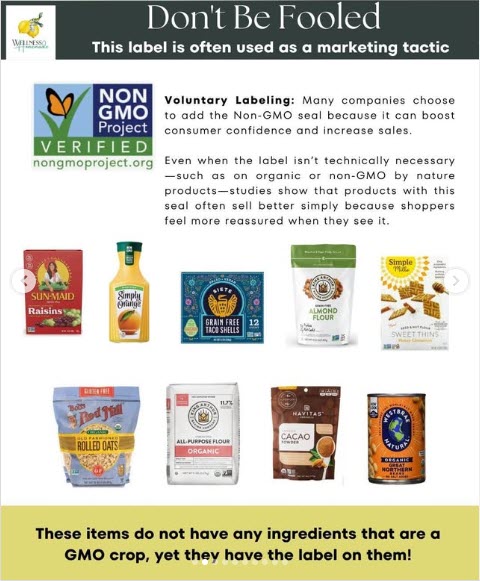
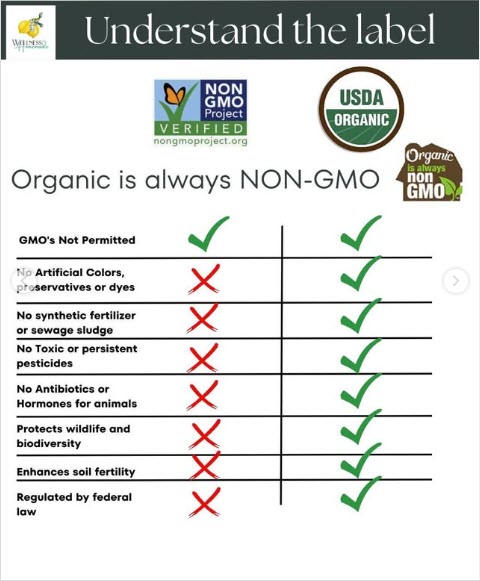
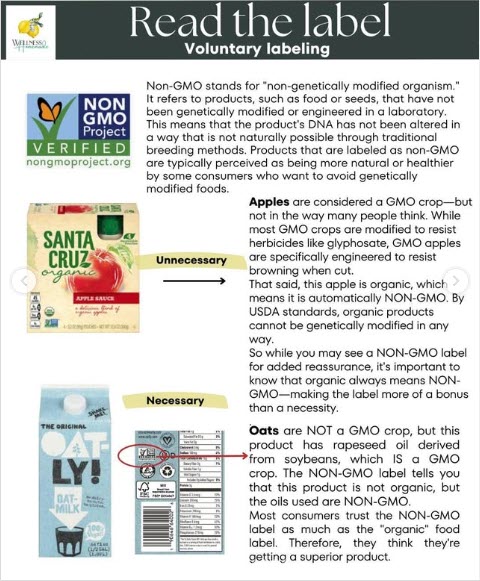
Rosales, Tasha. “There are ONLY 11 GMO crops in the US” 2025. Instagram. Accessed April 6. https://www.instagram.com/p/DHn4IW6pbm0/?img_index=1.
Apeel
Overview
Apeel is a plant-based coating applied to fruits and vegetables to extend shelf life by slowing water loss and oxidation. It’s made primarily of monoglycerides and diglycerides, derived from plant oils like grapeseed, and is recognized as “Generally Recognized as Safe” (GRAS) by the FDA, Health Canada, and the World Health Organization. These compounds are naturally found in foods like olive oil and are used in products such as infant formula. Apeel’s website states that its products are non-GMO and free of major allergens like soy, dairy, and nuts. Regulatory bodies and experts, including a Harvard nutrition professor, assert that the small amounts used in Apeel pose no significant health risks, as these compounds are part of normal digestion.
However, concerns exist about the manufacturing process, which historically involved solvents like ethyl acetate and heptane, potentially leaving trace heavy metals (e.g., lead, cadmium, arsenic). While Apeel claims these are within safe limits and that their current process avoids such solvents, critics argue there’s a lack of transparency and long-term studies on consuming coated produce. Some reports suggest trace trans fats in monoglycerides could pose risks if consumed in large amounts, potentially contributing to heart disease, though the quantities in Apeel are minimal (about 0.06 grams per piece of produce). Additionally, the coating’s permanence—it can’t be fully washed off—raises concerns for those with sensitivities or allergies, as undisclosed ingredients could trigger reactions. European regulations restrict Apeel’s use on organic produce due to its processed nature, and some consumer groups question its impact on nutritional value and natural decay processes.
Social media posts, including those on X, have fueled skepticism, with some claiming Apeel contains toxic chemicals or is linked to harmful agendas, though these often rely on outdated or misleading information, such as conflating Apeel with an unrelated cleaning product. Fact-checks clarify that Apeel’s ingredients are not toxic in the amounts used, and the Bill Gates Foundation’s early funding does not imply ownership or malicious intent.
In summary, Apeel is deemed safe by major regulatory bodies based on current evidence, but the lack of long-term human studies, potential trace contaminants, and limited transparency fuel ongoing debate. Those concerned can avoid Apeel-coated produce by buying from local farmers or brands like Driscoll’s, which reportedly do not use it, or by peeling produce, though this may reduce nutritional benefits. Always wash produce thoroughly, even if Apeel cannot be fully removed, to minimize pesticide residues.
“Is Apeel Safe?” 2025. Grok. Accessed July 2. https://grok.com/share/bGVnYWN5_36323139-f147-4688-a828-413a690240e1.
Is Apeel Safe?
“Organic” produce is now coated in something you can’t see, can’t wash off, and wasn’t fully disclosed.
What Is Apeel?
- It’s a transparent, tasteless, and odorless coating applied to fruits and vegetables to extend shelf life by slowing spoilage.
- It’s approved for use on organic produce and is already found in over 65 countries.
Claimed Benefits
- Approved by the FDA as Generally Recognized As Safe (GRAS).
- Functions as a preserving agent, pesticide, and fungicide.
- Marketed as plant-based and made from materials like grape skins, seeds, and other food waste.
- Apeel claims to reduce food waste by extending shelf life, but at what cost to your health?
Key Concerns
- Extraction Process:
- Although plant-based, the coating is produced using petrochemical solvents, which questions in terms of environmental friendliness and residue safety.
- Chemical Composition:
- Only 0.7% of the ingredients in Apeel are disclosed.
- Made of monoglycerides and diglycerides, which may contain trans fats — substances linked to obesity and metabolic disorders.
- FDA documents show trace levels of heavy metals are present — small enough for safety certification, but raises the question of long-term accumulation in the body.
- Lead
- Arsenic
- Cadmium
- Palladium
- Ethyl acetate (used in paints + solvents)
- Heptane (used in cement + fuel)
- Toluene (a toxic industrial chemical)
- GMO-derived citric acid
- The coating forms an invisible barrier you can’t rinse off.
- Consumer Transparency:
- Since Apeel is invisible and can’t be washed off, there may be ethical concerns about consumers not being aware they’re eating produce treated with it.
- What’s concerning is that over 99% (99.3% to be exact) of Apeel’s formulation is protected under “proprietary” status, meaning the public isn’t allowed to know exactly what’s in it. We’re told it’s just mono- and diglycerides derived from plant oils, but no transparency on the source oils, processing agents, or potential contaminants. When something is being applied to nearly all produce, including organic where we pay a premium, and we can’t wash it off, full ingredient disclosure should be the bare minimum. “Generally Recognized As Safe” doesn’t equal risk-free and it’s being scrutinized by the HHS currently. Consumers deserve informed consent, not a marketing spin.
Suggestions for Cautious Consumers
- Buy from local farmers where coatings like Apeel aren’t used.
- Submit feedback to grocery stores requesting disclosure or removal of Apeel-treated produce.
- The USDA’s organic label used to mean protection from synthetic chemicals. But now? Apeel-coated fruit can sit on shelves for weeks…looking fresh, but harboring toxins.
- How to Spot Apeel-Coated Produce
- Look for the “Apeel Protected” sticker.
- Scan QR codes on produce if available. For example: An organic apple that should have a code like 9XXXX, but it has a 6XXXX or six digits total, that’s a red flag that it’s been sprayed with Apeel. A 6-digit code, especially beginning with “6”, is a key sign that your produce is coated with Apeel (often called Edipeel or Organipeel).
- It’s usually used on avocados, limes, apples, cucumbers, and citrus.
- Ask stores directly if their produce uses Apeel.
So while regulators label it safe based on current thresholds, you are urged to consider cumulative exposure, transparency, and the true “naturalness” of the product. It’s less about immediate danger and more about long-term impacts and informed choice.
Meyerhofer, Courtney. 2023. “Is Apeel Safe? 3 Things You Need to Know.” Saint John’s Organic Farm. Saint John’s Organic Farm. October 31. https://www.saintjohnsorganicfarm.com/articles/is-apeel-safe.
Hexane
Almost all store-bought mayonnaise contains hexane, a chemical solvent that comes from petroleum distillation. Hexane is often used in food processing to extract oils from seeds like soy, avocado, and canola – EVEN OLIVE OIL, which are common ingredients in mayonnaise. Basically, if it’s not cold pressed, you’re running the risk of hexane exposure!
While regulatory standards consider small amounts of hexane to be safe, it is classified as a neurotoxin and air pollutant. Short-term exposure to hexane can cause nervous system effects, such as dizziness, nausea, headaches, and more. Chronic exposure to hexane can lead to more severe neurological deficits, including peripheral neuropathy, weakness, numbness and motor coordination difficulties. In severe cases, peripheral neuropathy can lead to paralysis. Other effects include blurred vision, “pins and needles”, and weakness in hands and feet. Higher levels of exposure to hexane can cause coma and even death.
Bromley, Chynthia. “Most Store-Bought Mayonnaise Contains Hexane, a Chemical Derived From Petroleum Distillation Linked to Nervous System Damage” 2025. Instagram. The Farmacy on Instagram. Accessed July 11. https://www.instagram.com/p/DL5khMVJEZZ/?utm_source=ig_web_copy_link.
Hexane residues in food are generally very low, but outdated safety studies might not fully address long-term exposure effects. Hexane has been shown to harm the nervous and reproductive and endocrine systems in animal studies and workplace exposure cases.
“Is Hexane in Food a Cause for Concern?” 2025. Eufic. Accessed July 11. https://www.eufic.org/en/misinformation/article/is-hexane-in-food-a-cause-for-concern.
Seed Oils
Seed oils are incredibly high in omega-6 fatty acids. In small amounts, that’s not a problem. But the modern diet is drenched in them. And when they build up in your body, they act like fuel for the fire of inflammation.
Think of it like this:
Sugar is a match
Seed oils are gasoline
They accelerate aging from the inside out. Your joints hurt. Your skin looks puffy. Your digestion slows. Your hormones get thrown off. And your brain? Constant fog.
- Canola oil
- Corn oil
- Cottonseed oil
- Grapeseed oil
- Rice bran oil
- Safflower oil
- Soybean oil
- Sunflower oil
Lily Wright, RDN. 2025. “I Felt 10 Years Younger by Quitting This One Ingredient - In Just 28 Day.” Medium. ILLUMINATION. July 10. https://medium.com/illumination/i-felt-10-years-younger-by-quitting-this-one-ingredient-in-just-28-day-648059396a9f.
Microplastics
TBS
Titanium Dioxide
Titanium dioxide (TiO₂), a common whitening agent used in food, cosmetics, and industrial products, has come under increasing scrutiny due to its potential health risks—especially in nanoparticle form.
While Europe banned it entirely in 2022, U.S. regulations still allow it to be added to over 11,000 food products you might be eating daily.
- Processed foods (e.g., powdered donuts, ranch dressing, candies)
- Cosmetics (lipsticks, powders)
- Medications and supplements
- Toothpaste, soaps, shampoos
Titanium Dioxide Health Risks — At a Glance
- Cancer Risk: Linked to DNA damage and potential carcinogenic effects, especially in nanoparticle form.
- Gut Disruption: May harm intestinal microbiota and cause inflammation.
- Hormonal Effects: Possible endocrine disruption, affecting metabolism and blood sugar.
- Respiratory Issues: Inhalation can lead to lung inflammation and oxidative stress.
- Brain & Immune Concerns: Emerging evidence suggests neurotoxicity and immunotoxicity.
Everyday Ways to Reduce Titanium Dioxide Exposure
Your health is shaped by what you eat every single day — and knowing what’s in your food is your first line of defense.
- Check ingredient labels.
- Look for “titanium dioxide” or “E171” on food, cosmetics, and supplement labels.
- Avoid products that list it among the first few ingredients, indicating higher concentration.
- Avoid foods with “titanium dioxide.”
- Choose whole, unprocessed options whenever possible.
- Cook at home using fresh, organic ingredients.
- Avoid ultra-processed items like powdered donuts, candies, and white sauces.
- Switch to Natural Personal Care Products
- Opt for cosmetics, sunscreens, and toothpaste labeled “titanium dioxide-free.”
- Mineral sunscreens may still contain TiO₂, so look for non-nano formulations if needed.
- Limit Use of Spray or Powdered Products
- Aerosolized or powdered forms (e.g., makeup, dry shampoo) increase inhalation risk.
- Choose creams or liquids instead.
Bottom Line
Even though food companies market many foods and beverages as “healthy,” some may not be nutritious choices. Many of these foods are packed with added sugar and other ingredients that may negatively affect your overall health. Plus, many foods marketed as “healthier” options are much more expensive than other products. This is why it’s important to always read the label to investigate the nutrition facts and ingredients of food products, including those marketed as “healthy.” In general, try to stick mostly to whole, nutrient-dense foods.
Videos
Eating ultra-processed foods—made primarily from wheat, corn, and soy—increases your death rate by 75 percent. How’s that for a sobering statistic! Unfortunately, American grocery-store shelves are monopolized by foods that contain ingredients that you should never eat, like partially hydrogenated oils, high fructose corn syrup, artificial sweeteners, and more. These foods have been scientifically proven to cause disease and death, so why do we still keep reaching for them?
References
Braden, Angela. “Glyphosate in Food: Avoid These Contaminated Products.” 2023. MOMS ACROSS AMERICA. July 18. https://www.momsacrossamerica.com/glyphosate_in_food.
Brown, Mary Jane. 2023. “Monk Fruit Sweetener: Good or Bad?” Healthline. Healthline Media. February 8. https://www.healthline.com/nutrition/monk-fruit-sweetener.
“Deceptive Names of High Fructose Corn Syrup: KC Laser-Like Lipo®.” 2024. Kansas City Laser-Like Lipo®. October 27. https://www.kclaserlikelipo.com/the-deceptive-names-of-high-fructose-corn-syrup-an-eye-opener-from-kansas-city-laser-like-lipo.
Food Insight. 2021. “Everything You Need To Know About Monk Fruit Sweeteners.” Food Insight. October 27. https://foodinsight.org/everything-you-need-to-know-about-monk-fruit-sweeteners/.
Grok. “Dangers of Aluminum.” 2025. Accessed March 23. https://grok.com/chat/0f93519f-3cdd-4979-96df-17a757421bc7.
Grok. “Dangers of Artificial Sweeteners and Sugar Substitutes.” 2025. Accessed March 23. https://grok.com/chat/0f93519f-3cdd-4979-96df-17a757421bc7.
Grok. “What Are Endocrine Disruptors?” 2025. Accessed March 23. https://grok.com/chat/0f93519f-3cdd-4979-96df-17a757421bc7.
Grok. “What Are the Dangers of Aluminum in Products?” 2025. Accessed March 23. https://grok.com/chat/0f93519f-3cdd-4979-96df-17a757421bc7.
Grok. “What Are the Dangers of Dyes in Food?” 2025. Accessed March 23. https://grok.com/chat/0f93519f-3cdd-4979-96df-17a757421bc7.
Grok. “What Are the Detrimental Effects of MSG?” 2025. Accessed March 23. https://grok.com/chat/0f93519f-3cdd-4979-96df-17a757421bc7.
Grok. “What Are the Detrimental Effects of High Fructose Corn Syrup?” 2025. Accessed March 23. https://grok.com/chat/0f93519f-3cdd-4979-96df-17a757421bc7.
Kubala, Jillian. 2025. “14 ‘Health Foods’ That May Not Be as Nutritious as You Thought.” Healthline. Healthline Media. March 5. https://www.healthline.com/nutrition/junk-health-foods.
Peluchette, David. 2025. “8 American Foods Banned In Europe And Why You Should Be Concerned.” Expats Planet. February 26. https://expatsplanet.com/8-american-foods-banned-in-europe-and-why-you-should-be-concerned/.
Ralls, Eric. “Artificial Sweeteners and Sugar Substitutes Directly Linked to Heart Attacks and Strokes.” 2025. earth.com. Accessed March 22. https://www.earth.com/news/artificial-sweeteners-erythritol-directly-linked-to-heart-attacks-and-strokes/.
“Roundup for Breakfast, Part 2: In New Tests, Weed Killer Found in All Kids’ Cereals Sampled.” 2018. EWG. October. https://www.ewg.org/news-insights/news-release/2018/10/roundup-breakfast-part-2-new-tests-weed-killer-found-all-kids.
Sadequee, Sonali. 2020. “50 Toxic Ingredients.” Sustainable Wellness. Sustainable Wellness. September 17. https://www.sustainable-wellness.com/blog/2020/9/13/50-toxic-ingredients-to-avoid.
Solis-Moreira, Jocelyn. “This Common Artificial Sweetener Could Be Making You Hungrier.” 2025. Accessed March 27. https://parade.com/health/artificial-sweetener-sucralose-brain-hunger-appetite.
Drinking sucralose increased activity in a brain area called the hypothalamus. The hypothalamus is the control center for keeping the body in a healthy and balanced state. This involves releasing hormones that trigger hunger cravings when the body needs to refuel. The increased hypothalamic activity correlated with the increased hunger in participants who drank sucralose water compared to those who drank sugar water. The feelings of hunger were strongest among people with obesity.
StudyFinds Staff. 2025. “‘Molecular Addiction’: How Drinking Soda Rewires Your Body.” Study Finds. March 25. https://studyfinds.org/molecular-addiction-how-drinking-soda-rewires-your-body/.
The study revealed several important findings. Mice drinking sugary water developed significant metabolic problems despite eating less solid food, as they got more calories from the sweetened water instead. They showed consistently high blood sugar levels and struggled to regulate blood sugar when tested—indicating both insulin resistance and increased liver glucose production. Physically, the intestines of sugar-consuming mice changed, developing longer absorption structures in the upper portions and showing increased cell growth. Most notably, the expression of sugar transporters significantly increased in the intestines, while transporters for amino acids and fats decreased—suggesting the intestine had adapted to favor sugar absorption over other nutrients. The liver showed reduced insulin sensitivity and altered mitochondrial function, with increased production of harmful reactive oxygen species. Muscles also showed changes in mitochondrial function, though in different ways than the liver. Interestingly, these metabolic disruptions occurred without major changes in the expression of key regulatory genes in the liver, suggesting that the intestinal adaptations were driving subsequent problems in other tissues. Both male and female mice developed these metabolic problems, though males gained more weight while females showed more pronounced changes in fat metabolism.
“Worst Foods to Eat and What to Have Instead.” 2024. everydayhealth.com. June 17. https://www.everydayhealth.com/diet-nutrition/top-10-worst-foods-you-should-give-up/.
“Worst Foods to Eat for Your Health.” 2021. New Jersey’s Top-Ranked Hospital Network. November 18. https://www.hackensackmeridianhealth.org/en/healthu/2021/11/18/worst-foods-to-eat-for-your-health.
Zitz, Shannen. 2025. “15 Foods You Should Not Eat, According to Doctors and Nutritionists.” January 21. https://www.prevention.com/food-nutrition/healthy-eating/a63423411/foods-you-should-not-eat/.
Omega-6 Fatty Acids
Omega-6 fatty acids are a type of polyunsaturated fat found in various plant-based oils, nuts, and seeds. They are an essential nutrient, meaning the body cannot produce them on its own and they must be obtained through diet. While they play important roles in various bodily functions, including brain function, growth, and metabolism, they are often consumed in excess compared to omega-3 fatty acids, which can lead to an imbalance.
What They Are
- Omega-6 fatty acids are a family of polyunsaturated fats characterized by a double bond located at the sixth carbon from the methyl end of the fatty acid chain.
- The most common omega-6 fatty acid in the diet is linoleic acid.
- Other notable omega-6 fatty acids include gamma-linolenic acid (GLA) and arachidonic acid.
Where They Are Found
- Omega-6 fatty acids are abundant in vegetable oils like corn, soybean, and sunflower oil.
- They are also found in nuts, seeds, and some grains.
Roles in the Body
- Omega-6 fatty acids are crucial for brain function, normal growth, and development.
- They are involved in stimulating skin and hair growth, maintaining bone health, regulating metabolism, and supporting the reproductive system.
- They also play a role in the production of certain eicosanoids, which are signaling molecules that can have both pro-inflammatory and anti-inflammatory effects.
Potential Concerns
- While omega-6s are essential, an excess of omega-6s compared to omega-3s can contribute to inflammation.
- This imbalance can be linked to various health issues, including heart disease, obesity, and diabetes.
- The body can convert linoleic acid into arachidonic acid, which is a precursor to inflammatory eicosanoids.
Recommended Intake
- The Dietary Guidelines for Americans recommend a balanced intake of omega-3 and omega-6 fatty acids, with a focus on increasing omega-3 intake rather than reducing omega-6 intake.
- The American Heart Association suggests that there is no need to avoid healthy omega-6 fats.
- Some sources recommend a specific omega-6 to omega-3 ratio, often around 4:1, though this can vary.
Omega-6 fatty acids are essential nutrients that play vital roles in the body. While they are important for health, it’s important to maintain a balanced intake of omega-6s and omega-3s to avoid potential negative health effects.
References
“No Need to Avoid Healthy Omega-6 Fats.” 2019. Harvard Health. August 20. https://www.health.harvard.edu/newsletter_article/no-need-to-avoid-healthy-omega-6-fats.
Robertson, Ruairi. 2023. “Omega-3-6-9 Fatty Acids: A Complete Overview.” Healthline. Healthline Media. May 19. https://www.healthline.com/nutrition/omega-3-6-9-overview.
“OMEGA-6 FATTY ACIDS: Overview, Uses, Side Effects, Precautions, Interactions, Dosing and Reviews.” 2025. WebMD. WebMD. Accessed July 18. https://www.webmd.com/vitamins/ai/ingredientmono-496/omega-6-fatty-acids.
“Difference Between Omega 3 And 6 – Health Hub.” 2022. Health Hub – At Home Food Intolerance and Allergy Tests. https://www.thehealthhub.com/what-is-an-omega-3-test/.
“Unravelling the Benefits of Omega-3, Omega-6, and Omega-9 Fatty Acids in Oils.” 2025. Accessed July 18. https://www.saffola.in/healthcorner/unravelling-the-benefits-of-omega-3-omega-6-and-omega-9-fatty-acids-in-oils.
“Omega-6 Fatty Acids.” 2025. PeaceHealth. Accessed July 18. https://www.peacehealth.org/medical-topics/id/hn-10007437.
Mijailovic, Jovan. 2024. “Omega-6 to Omega-3 Ratio: What Does It Mean and What’s Optimal? – Unlocking Insights – Explore Our Articles.” InsideTracker. InsideTracker. March 6. https://www.insidetracker.com/a/articles/omega-6-to-omega-3-ratio.
“A Half-Truth is Not the Whole Truth: The AHA Position on Saturated Fat.” Monthly Archives. 2017. Integrated Chemists of the Philippines. June 27. https://www.icp.org.ph/2017/06/.
Proteomics, Creative. 2025. “Omega-6 Fatty Acids Analysis Service.” Creative Proteomics. Accessed July 18. https://www.creative-proteomics.com/services/omega-6-fatty-acids-analysis-service.htm.
“Essential Fatty Acids.” 2025. Linus Pauling Institute. April 15. https://lpi.oregonstate.edu/mic/other-nutrients/essential-fatty-acids.
Safaei, Payam, Ghazal Bayat, and Afsaneh Mohajer. 2024. “Comparison of Fish Oil Supplements and Corn Oil Effects on Serum Lipid Profile: A Systematic Review and Meta-Analysis of Randomized Controlled Trials.” Systematic Reviews. U.S. National Library of Medicine. February 5. https://pmc.ncbi.nlm.nih.gov/articles/PMC10840298/.
Simopoulos, Artemis P. 2016. “An Increase in the Omega-6/Omega-3 Fatty Acid Ratio Increases the Risk for Obesity.” Nutrients. U.S. National Library of Medicine. March 2. https://pmc.ncbi.nlm.nih.gov/articles/PMC4808858/.
Häberling, Isabelle, Gregor Berger, Klaus Schmeck, Ulrike Held, and Susanne Walitza. 2019. “Omega-3 Fatty Acids as a Treatment for Pediatric Depression. A Phase III, 36 Weeks, Multi-Center, Double-Blind, Placebo-Controlled Randomized Superiority Study.” Frontiers in Psychiatry. U.S. National Library of Medicine. November 27. https://pmc.ncbi.nlm.nih.gov/articles/PMC6892434/.
[†] crucialfour and holisticwithcharles. 2025. “NAME CHANGE: ASPARTAME IS NOW AMINO SWEET (eyes on labels).” Accessed March 24. https://www.instagram.com/p/DHeEHewpDmw/.
[‡] Hoffman, Rabbi Yair, and Rabbi Yair Hoffman. 2025. “Dangerous Splenda Products: A Halachic Analysis of Erythritol Safety.” VINnews. July 20. https://vinnews.com/2025/07/20/dangerous-splenda-products-a-halachic-analysis-of-erythritol-safety/.
The featured image on this page is from the Sustainable Wellness website.
 Salubrious Sounds