Contents
- Healthy or Harmful
- Best Practices for Maintaining a Healthy Lifestyle
- Framework for Adding Healthy Habits to Your Daily Routine
Healthy or Harmful
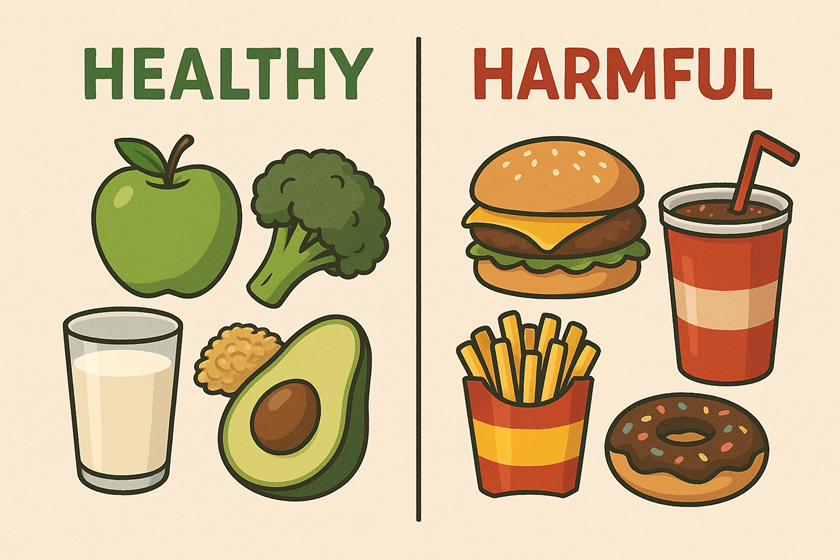
Whether something is considered healthy or harmful depends on a mix of context, quantity, quality, and biological impact.
“Those who do not spend time on their health every day will one day
have to sacrifice a lot of time on their diseases.” – Sebastian Kneipp
What Makes Something Healthy?
Healthy traits typically promote physical, mental, and emotional well-being. These include:
- Nutritional Value: Foods high in essential nutrients like vitamins, minerals, fiber, and protein. For example, leafy greens, legumes, and whole grains.
- Positive Physiological Effects: Activities like regular exercise or meditation help maintain cardiovascular health, reduce stress, and boost mood.
- Moderation and Balance: A well-proportioned diet or lifestyle avoids extremes—like getting enough rest, but not oversleeping.
- Evidence-Based Benefits: Practices shown through research to improve health outcomes, such as vaccines or fluoride in toothpaste.
What Makes Something Harmful?
Harmful traits are usually those that degrade health or well-being.
- Excessive Intake or Exposure: Even nutritious substances (like vitamin A) can be toxic in large amounts. Same with sugar, sodium, and alcohol.
- Inflammatory or Toxic Properties: Trans fats, smoking, and certain pollutants are associated with chronic disease due to their cellular impact.
- Sedentary or High-Stress Habits: Lack of movement or persistent stress contributes to metabolic dysfunction and mental health challenges.
- Dependence and Displacement: Habits that replace healthier alternatives—like fast food displacing home-cooked meals—can cause nutritional deficits.
It’s Often About Context
You’ll appreciate this as someone who thinks analytically—health isn’t binary. A food, habit, or compound might be both.
- Coffee: Contains antioxidants (healthy), but excessive caffeine can lead to anxiety or insomnia (harmful).
- Sunlight: Boosts vitamin D synthesis, but overexposure increases risk of skin cancer.
Best Practices for Maintaining a Healthy Lifestyle
A healthy lifestyle isn’t just about avoiding illness; it’s about cultivating habits that support long-term vitality, resilience, and well-being.
Nutrition & Hydration
- Eat a balanced diet: Prioritize whole foods—vegetables, fruits, lean proteins, whole grains, and healthy fats.
- Limit processed foods: Reduce intake of added sugars, trans fats, and high-sodium snacks.
- Stay hydrated: Aim for about 8 cups of water daily, adjusting for activity level and climate.
Physical Activity
- Exercise regularly: Target at least 150 minutes of moderate-intensity or 75 minutes of vigorous activity per week.
- Reduce sedentary time: Break up long periods of sitting with movement—stretching, walking, or light activity.
Sleep & Recovery
- Get quality sleep: Adults should aim for 7–9 hours per night. Sleep supports memory, immune function, and emotional regulation.
- Establish a sleep routine: Consistent bedtimes and a calming pre-sleep ritual can improve sleep quality.
Mental & Emotional Health
- Manage stress: Use mindfulness, breathing exercises, or hobbies to reduce chronic stress.
- Stay socially connected: Regular interaction with friends or community groups supports emotional well-being.
- Practice gratitude and reflection: Journaling or meditation can foster a positive mindset.
Lifestyle Choices
- Avoid smoking: It’s a major risk factor for chronic diseases and harms those around you.
- Limit alcohol: If consumed, do so in moderation—no more than 1–2 drinks per day depending on gender.
- Protect your skin: Use sunscreen and avoid excessive sun exposure to reduce skin cancer risk.
Preventive Care
- Schedule regular checkups: Screenings and vaccinations help catch issues early and keep you protected.
- Consider supplements if needed: A doctor or dietitian can guide you on vitamins based on your needs.
Framework for Adding Healthy Habits to Your Daily Routine
Tailoring healthy habits to your daily routine is all about strategic integration—making wellness feel natural, not forced.
Step 1: Map Your Current Routine
- Identify anchor points: Morning wake-up, lunch break, commute, bedtime—these are great slots for habit stacking.
- Spot friction zones: Where do you feel rushed, tired, or distracted? These are areas to gently optimize.
Step 2: Use Habit Stacking
Link new habits to existing ones to reduce decision fatigue:
- After brushing your teeth → 5-minute stretch or walk
- While waiting for coffee to brew → drink a glass of water
- Before checking emails → write down one goal for the day
This technique builds on your brain’s natural patterning, making new behaviors easier to adopt.
Step 3: Apply SMART Goals
Make habits Specific, Measurable, Achievable, Relevant, and Time-bound:
- Instead of “eat healthier,” try “add one serving of vegetables to lunch daily.”
- Instead of “exercise more,” try “walk 20 minutes after dinner, 5 days a week.”
Step 4: Prioritize Mind-Body Synergy
Since you’re interested in diagnostic technologies and holistic health:
- Morning: Hydration + light movement + mindfulness (e.g., breathing or journaling)
- Midday: Nutrient-dense lunch + short walk + posture check
- Evening: Screen-free wind-down + gratitude reflection + consistent sleep schedule
Step 5: Build in Flexibility
- Create “micro” and “macro” versions of habits.
- For example:
- Micro: 5-minute stretch
- Macro: 30-minute yoga session
- This keeps you consistent even on busy days.
Step 6: Track and Reflect
- Use a habit tracker or journal, e.g., food journal) to monitor progress.
- Reflect weekly: What’s working? What feels forced? Adjust accordingly.
 Salubrious Sounds